
Planning to stay in your NJ home as you age? This guide covers every accessible kitchen and bathroom feature NJ homeowners need—grab bars, curbless showers, pull-out storage—with real costs and design tips that keep your home beautiful.
Plan Your ProjectView Our Work
Custom Kitchens by Lopez TeamDecember 4, 202615 min read
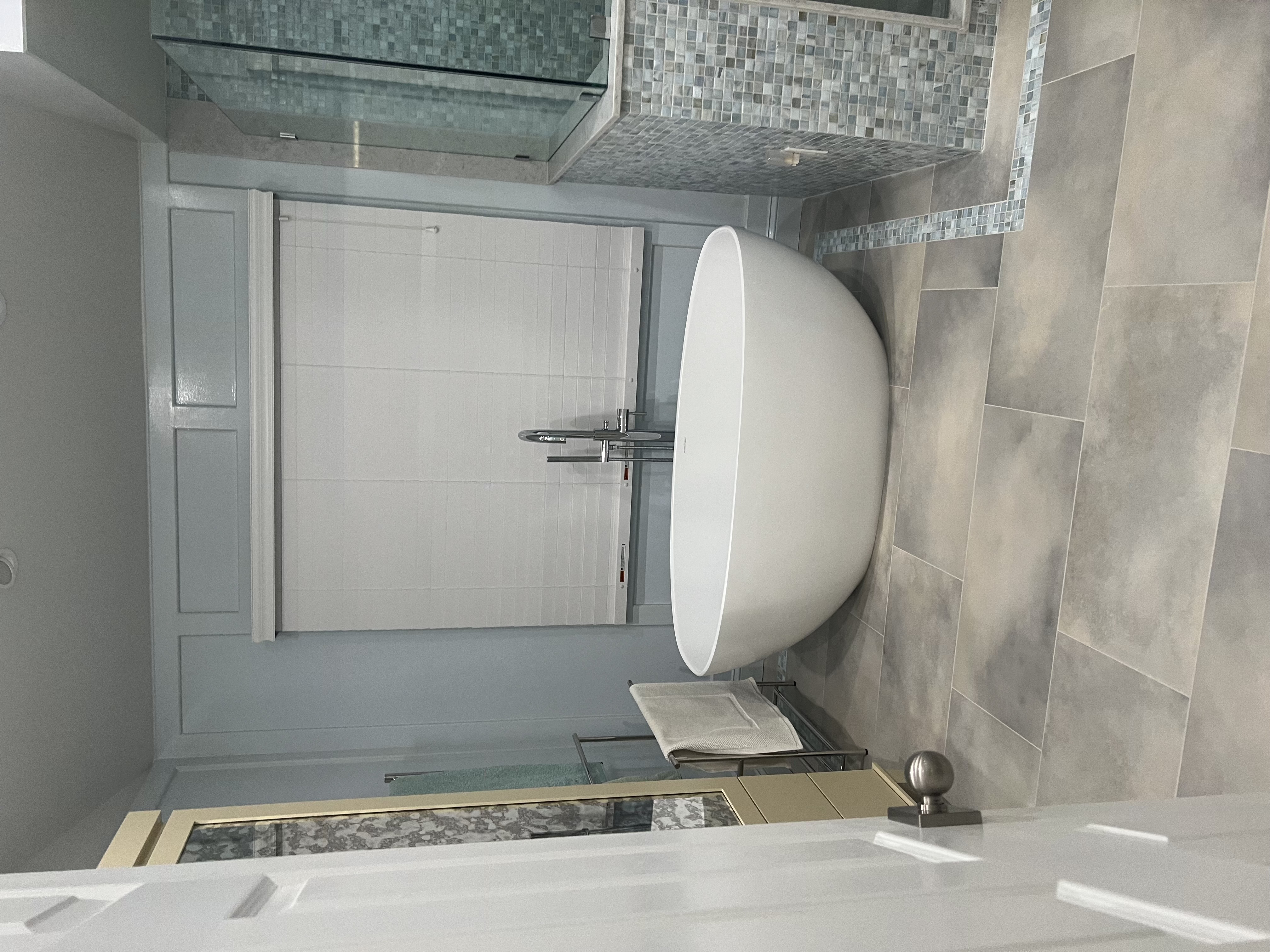
Aging in Place Remodeling in NJ: How to Future-Proof Your Kitchen & Bathroom
One in four adults over 65 will experience a fall this year—and 80% of those falls happen in the bathroom. For New Jersey homeowners planning to stay in their beloved homes for decades to come, aging in place remodeling isn't just about accessibility—it's about independence, safety, and maintaining the lifestyle you've worked hard to build.
The good news? Today's accessible design is nothing like the institutional look of the past. Modern universal design features are stylish, increase home value, and benefit everyone in the household—from grandchildren to grandparents.
This comprehensive guide covers everything you need to know about future-proofing your kitchen and bathroom in New Jersey, including specific features, costs, and how to maintain beautiful design while adding essential safety elements.
Why Aging in Place Matters
The Statistics That Should Concern Every Homeowner
The numbers tell a compelling story about why planning ahead matters:
- 77% of adults 50+ want to remain in their current home as they age (AARP)
- Falls are the leading cause of injury-related death for adults 65+
- 68% of bathroom renovations now include at least one accessibility feature
- Adding grab bars and non-slip surfaces reduces fall risk by 50% (CDC)
- 10,000 Americans turn 65 every single day
These aren't just statistics—they represent real families making real decisions about their futures.
The Cost of NOT Planning Ahead
Consider the financial reality of reactive versus proactive planning:
| Option | Monthly Cost | Annual Cost |
|---|---|---|
| Nursing Home (NJ average) | $10,000-$15,000 | $120,000-$180,000 |
| Assisted Living (NJ average) | $5,000-$8,000 | $60,000-$96,000 |
| Home Modifications (one-time) | — | $20,000-$80,000 total |
A one-time investment in aging in place modifications can preserve independence and save hundreds of thousands of dollars over time.
Who Should Consider Aging in Place Remodeling?
This guide is for you if:
- You're a homeowner 55+ planning to stay in your home long-term
- You have aging parents who may move in (multi-generational living)
- You want to increase home value while adding practical features
- You're recovering from surgery or injury and recognize future needs
- You simply want a safer, more comfortable home for everyone
Accessible Bathroom Remodeling: The Critical Features
The bathroom is where most home falls occur. These eight features form the foundation of a safe, accessible bathroom that doesn't sacrifice style.
1. Curbless (Zero-Threshold) Showers
What it is: A walk-in shower with no step, lip, or curb to navigate.
Why it matters: Eliminates the #1 trip hazard in bathrooms. Allows easy access for wheelchairs, walkers, or simply tired legs. Also makes cleaning easier and looks luxuriously modern.
Cost in NJ: $3,000-$8,000 (compared to $2,000-$5,000 for standard shower installation)
Pro tip: Linear drain placement along the back wall ensures proper water management while maintaining a clean aesthetic. Proper slope (1/4" per foot toward drain) is critical—this is not a DIY project.
2. Strategically Placed Grab Bars
What they are: Reinforced support bars installed at key locations—near the toilet, inside the shower, and by the tub.
Why they matter: CDC research confirms grab bars reduce fall risk by 50% when properly installed. They provide stability during the most vulnerable moments—sitting, standing, and transitioning.
Cost in NJ: $150-$500 per bar (professionally installed with proper blocking)
Critical consideration: Weight rating matters enormously. Decorative towel bars can fail catastrophically under body weight. Always use bars rated for 250+ pounds, installed into proper blocking or structural members.
Style tip: Today's grab bars come in brushed nickel, matte black, oil-rubbed bronze, and other designer finishes. Many integrate with towel bars or toilet paper holders for a seamless look.
3. Comfort Height Toilets (ADA Compliant)
What they are: Toilets measuring 17-19 inches from floor to seat (versus standard 15 inches).
Why they matter: The extra 2-4 inches dramatically reduces knee and hip strain when sitting and standing. This single change can extend bathroom independence for years.
Cost in NJ: $400-$800 for the toilet plus $200-$400 for professional installation
Enhancement option: Bidet seats ($300-$800) add hygiene benefits and further reduce physical demands. Many seniors find bidets transformative for maintaining independence.
4. Non-Slip Flooring
What it is: Flooring materials and treatments that maintain traction when wet.
Why it matters: Wet bathroom floors cause approximately 80% of bathroom falls. The right flooring is your first line of defense.
Best options for NJ bathrooms:
- Textured porcelain tile (COF 0.6+) — durable, stylish, excellent traction
- Luxury vinyl plank (LVP) — warm underfoot, naturally slip-resistant
- Small-format mosaic tiles — grout lines provide natural texture
- Non-slip coatings — can be applied to existing smooth tile
Cost in NJ: $8-$20 per square foot installed
Technical note: Look for Coefficient of Friction (COF) ratings of 0.6 or higher for wet areas.
5. Lever-Handle Faucets and Touchless Options
What they are: Faucets operated by pushing a lever rather than gripping and turning a knob—or touchless motion-sensor models.
Why they matter: Lever handles require minimal grip strength and no twisting motion, making them accessible for arthritic hands or anyone with limited dexterity.
Cost in NJ: $200-$800 per faucet depending on style and features
Top picks: Moen and Delta both offer excellent accessible faucet lines. Touchless options like Moen MotionSense add convenience and improve hygiene.
6. Walk-In Tubs (Optional)
What they are: Bathtubs with a watertight door allowing step-in access rather than climbing over a high wall.
Why they matter: For those who prefer baths over showers, walk-in tubs maintain that option safely. Many include therapeutic features like hydrotherapy jets and heated surfaces.
Cost in NJ: $5,000-$15,000+ installed
Consideration: Walk-in tubs take longer to fill and drain than standard tubs, and you must wait inside while draining. Many clients find curbless showers with built-in benches more practical for daily use.
7. Adequate and Layered Lighting
What it is: Bright, even illumination throughout the bathroom with task lighting at key areas.
Why it matters: Poor visibility is a major contributor to falls. As we age, we need significantly more light to see clearly—a 60-year-old needs 3x more light than a 20-year-old.
Essential elements:
- General overhead lighting (bright, even coverage)
- Task lighting at vanity mirrors
- Night lights or motion-activated pathway lighting
- Lighted mirrors for grooming tasks
Cost in NJ: $500-$2,000 for comprehensive lighting upgrades
8. Wider Doorways
What it is: Bathroom doorways expanded to 32-36 inches (versus standard 24-28 inches).
Why it matters: Allows passage for wheelchairs, walkers, and caregivers assisting with mobility.
Cost in NJ: $800-$2,500 to widen an existing doorway
Space-saving tip: Pocket doors or barn-style sliding doors eliminate swing clearance requirements, making bathrooms more accessible without sacrificing adjacent floor space.
Accessible Kitchen Remodeling: Features That Make Daily Life Easier
We spend an average of 40+ minutes daily in the kitchen. The reaching, bending, and standing involved can become challenging with age. These features make kitchens work better for everyone.
Why Kitchen Accessibility Matters
According to NKBA kitchen trends data, a significant percentage of Baby Boomers cite wanting more accessible kitchens as a renovation driver. With Gen X and Boomers representing the majority of kitchen remodel projects, accessible design isn't a niche—it's mainstream.
1. Varied Counter Heights
What it is: Incorporating multiple counter heights (30", 34", 36") rather than standard 36" throughout.
Why it matters: Lower sections allow seated work for those in wheelchairs or who fatigue from standing. Different heights accommodate different tasks and users.
Cost impact: 10-15% premium for varied-height counters
Best application: Incorporate a lower section into your island or a dedicated prep area rather than making all counters non-standard height.
2. Pull-Out Shelves and Drawers
What they are: Base cabinets fitted with sliding drawers or pull-out shelves instead of fixed shelves.
Why they matter: Eliminates bending and reaching into dark cabinet depths. Everything comes to you at an accessible height.
Cost in NJ: $150-$400 per cabinet for retrofit inserts; often standard in new custom cabinetry
Must-haves: Pull-out trash/recycling, pull-out spice racks, and pull-out pot/pan organizers dramatically improve daily function.
3. Touchless and Hands-Free Faucets
What they are: Kitchen faucets operated by motion sensor or touch activation.
Why they matter: Essential when hands are full, dirty, or have limited mobility. Also improves kitchen hygiene.
Cost in NJ: $300-$800 for quality touchless kitchen faucets
Top recommendations: Moen MotionSense, Delta Touch2O, and Kohler Sensate are all excellent options with proven reliability.
4. Task Lighting Under Cabinets
What it is: LED strip lights or puck lights installed beneath upper cabinets.
Why it matters: Eliminates shadows on work surfaces, improving visibility for food preparation and reducing eye strain and accidents.
Cost in NJ: $300-$1,200 depending on kitchen size and system complexity
Pro tip: Dimmable LED strips with warm color temperature (2700-3000K) provide flexibility and create pleasant ambiance for both cooking and entertaining.
5. D-Pull Cabinet Hardware
What it is: Large, easy-grip handles (4-5" pulls) rather than small knobs.
Why it matters: Can be operated with an open palm, closed fist, or single finger—no grip strength required.
Cost in NJ: $5-$30 per pull; typical kitchen needs 40-60 pulls ($200-$1,800 total)
Style note: D-pulls are actually on-trend—they fit perfectly with transitional and modern kitchen designs.
6. Wall Ovens and Separate Cooktops
What they are: An oven installed at comfortable height (typically eye level) with a separate cooktop surface.
Why they matter: Eliminates bending to reach into low oven cavities and reduces dangerous lifting of heavy hot dishes.
Cost in NJ: $3,000-$8,000 more than a standard range setup
Consideration: Requires more kitchen space and involves more complex installation, but dramatically improves safety and convenience for serious home cooks.
7. Accessible Refrigerator Design
What to look for: Side-by-side or French door models place most-used items at accessible heights rather than burying them in low freezer drawers.
Key features: Adjustable shelving, door-in-door access, pull-out bins at lower levels
Our recommendation: French door models with bottom freezer drawers offer the best balance of accessibility and capacity.
8. Anti-Fatigue Flooring
What it is: Flooring materials with cushioning properties—cork, rubber, or cushioned vinyl.
Why it matters: Reduces leg and back fatigue from extended standing during meal preparation.
Cost in NJ: $6-$15 per square foot installed
Alternative: If you prefer tile or hardwood aesthetics, high-quality anti-fatigue mats at key workstations (sink, stove, prep areas) provide similar benefits.
The Style Factor: Accessible Doesn't Mean Ugly
One of the most common concerns we hear: "I don't want my home to look like a hospital." We understand completely—and we're here to tell you that modern accessible design is anything but institutional.
The Transformation in Accessible Design
The old perception:
- Stainless steel grab bars bolted to tile
- White plastic shower chairs
- Harsh fluorescent lighting
- Clinical, medical appearance
Today's reality:
- Designer hardware in on-trend finishes
- Integrated teak or stone shower benches
- Warm, layered lighting designs
- Spa-like, luxurious aesthetics
Design Strategies for Stylish Accessibility
Concealed functionality: Many accessible features can be hidden in plain sight. Grab bars that double as towel bars. Shower benches that look like intentional design elements. Hardware that happens to be easier to grip.
High-end finishes: Accessibility hardware now comes in brushed gold, matte black, polished nickel, oil-rubbed bronze—matching any design scheme.
Seamless integration: A well-designed curbless shower doesn't look "accessible"—it looks luxuriously European. Pull-out drawers don't scream "senior-friendly"—they appear thoughtfully organized.
Smart technology: Voice-controlled lighting and faucets aren't just accessible—they're cutting-edge smart home features that impress guests of any age.
The Universal Design Philosophy
Universal design means creating spaces that work beautifully for everyone—children, adults, seniors, and those with temporary or permanent disabilities. When you design universally, accessibility becomes invisible. Your home simply works better for everyone who uses it.
Cost Guide: Aging in Place Remodeling in NJ
Understanding costs helps you plan effectively. Here's what to expect for aging in place modifications in New Jersey.
Bathroom Accessibility Upgrades
| Feature | NJ Cost Range | ROI Impact |
|---|---|---|
| Curbless Shower Conversion | $3,000-$8,000 | High |
| Grab Bar Installation (3 bars) | $450-$1,500 | Very High |
| Comfort Height Toilet | $600-$1,200 | High |
| Non-Slip Flooring | $800-$2,000 | High |
| Widen Doorway | $800-$2,500 | Medium |
| Lever Faucets | $400-$1,200 | Medium |
| Walk-In Tub | $5,000-$15,000 | Medium |
| Lighting Upgrade | $500-$2,000 | High |
| Comprehensive Bath Remodel | $25,000-$50,000 | — |
Kitchen Accessibility Upgrades
| Feature | NJ Cost Range | ROI Impact |
|---|---|---|
| Pull-Out Cabinet Inserts (10 cabinets) | $1,500-$4,000 | High |
| Touchless Faucet | $300-$800 | Medium |
| Under-Cabinet Lighting | $300-$1,200 | Medium |
| Wall Oven Conversion | $3,000-$8,000 | Medium |
| D-Pull Hardware (full kitchen) | $200-$1,800 | Low |
| Varied Counter Heights | $2,000-$5,000 | High |
| Anti-Fatigue Flooring | $600-$1,500 | Low |
| Comprehensive Kitchen Updates | $15,000-$30,000 | — |
Complete Aging in Place Remodel Packages
| Package Level | Scope | NJ Cost Range |
|---|---|---|
| Essential Safety | Basic bathroom modifications only | $8,000-$15,000 |
| Comprehensive Bath | Full accessible bathroom remodel | $25,000-$50,000 |
| Kitchen Accessibility | Kitchen-focused modifications | $15,000-$30,000 |
| Complete Home Package | Kitchen + bathroom comprehensive | $50,000-$100,000+ |
Factors Affecting Your Costs
- Home age: Older homes may need electrical, plumbing, or structural updates
- Current condition: Scope of demolition and preparation required
- Material selections: Wide range from builder-grade to luxury finishes
- Structural changes: Moving walls, plumbing, or electrical adds cost
- Permit requirements: NJ requires permits for most bathroom/kitchen modifications
When to Start: The Case for Proactive Remodeling
Don't Wait Until You Need It
The best time to add accessibility features is before they become urgent. Here's why:
Cost savings: Modifications cost 30-50% more when done as emergency retrofits rather than planned renovations. Adding blocking for grab bars during a remodel costs almost nothing; adding it later requires opening walls.
Easier living through renovation: Living without a functional kitchen or bathroom during construction is challenging for anyone. It's exponentially harder with mobility limitations.
Years of enjoyment: Features installed at 60 provide 20+ years of benefit. Why struggle unnecessarily when you could be enjoying a more comfortable home?
Better planning: Proactive remodeling allows time for thoughtful design decisions rather than rushed, crisis-driven choices.
Signs It's Time to Consider Aging in Place Features
Consider proactive modifications if:
- You plan to stay in your home for 10+ years
- Any household member is over 55
- You've had a recent surgery, injury, or health concern
- Parents may move in within the next 5 years
- You're selling to a 55+ buyer demographic and want to maximize appeal
- You simply want a safer, more comfortable home
NJ-Specific Considerations
Building Codes and Permits
New Jersey requires permits for most bathroom and kitchen modifications, including:
- Plumbing changes (moving fixtures, adding drains)
- Electrical work (new circuits, fixture changes)
- Structural modifications (widening doorways, removing walls)
While ADA standards aren't required for private residences, following universal design guidelines ensures your modifications meet best practices. A licensed contractor handles permit applications and ensures code compliance.
NJ Home Improvement Contractor License: Always verify your contractor's license at NJ Consumer Affairs. Our license number is #13VH04175700.
Financial Assistance Programs
Several programs may help offset aging in place modification costs:
- NJ ANCHOR Program: Property tax relief that can free up funds for modifications
- Medicaid HCBS: Home and Community-Based Services may cover some modifications for eligible residents
- VA Specially Adapted Housing: Grants available for qualifying veterans
- Area Agency on Aging: Monmouth and Ocean County senior services offer resources and referrals
Climate Considerations for NJ
Our New Jersey climate creates specific considerations:
- Radiant floor heating: Transforms cold tile into a warm, safe surface during harsh winters. Particularly valuable in bathrooms where bare feet meet tile on cold mornings.
- Humidity control: Shore-area bathrooms need proper ventilation to prevent moisture-related safety hazards.
- Hardware finishes: Salt air near the coast affects certain finishes—discuss material choices with your contractor.
Frequently Asked Questions
Does aging in place remodeling hurt resale value?
No—it typically increases value and broadens your buyer pool. With 10,000 Americans turning 65 daily, accessible homes are in high demand. Universal design features appeal to all ages and often increase home value by 5-10%. Features like curbless showers and pull-out cabinets are considered luxury upgrades by many buyers, not concessions to disability.
How much does a complete aging in place bathroom remodel cost in NJ?
$25,000-$50,000 for a comprehensive accessible bathroom in New Jersey. Basic safety modifications (grab bars, non-slip flooring, comfort height toilet) cost $8,000-$15,000. Full remodels with curbless showers, new fixtures, and complete accessibility features range from $25,000-$50,000+. New Jersey costs run 10-15% higher than national averages due to labor costs and permitting requirements.
What's the difference between ADA compliant and universal design?
ADA is commercial code; universal design is residential best practice. ADA (Americans with Disabilities Act) sets minimum requirements for public and commercial spaces. Universal design is a philosophy of creating spaces usable by all people without adaptation. For home remodels, we recommend universal design principles—they often exceed ADA minimums and look more natural in residential settings.
Are grab bars really necessary if I'm healthy now?
Yes—they're the single most effective fall prevention measure. CDC data shows grab bars reduce bathroom fall risk by 50%. The average American will need some form of mobility assistance by age 70. Installing grab bars during a remodel costs $150-$500 per bar; adding them later (with proper blocking) costs $500-$1,500. Prevention is always cheaper than emergency response.
Can I add accessibility features without a full remodel?
Yes, many features can be retrofitted individually. Grab bars, comfort height toilets, lever faucets, and pull-out cabinet inserts can all be added without full remodels. However, curbless showers, widened doorways, and varied counter heights typically require more extensive work. A phased approach can spread costs over time while building toward comprehensive accessibility.
How long does an aging in place remodel take in NJ?
2-4 weeks for bathroom, 4-8 weeks for kitchen, 6-12 weeks for combined projects. Timeline depends on scope. Simple accessibility additions (grab bars, fixtures) take 1-2 days. Bathroom remodels average 2-4 weeks. Kitchen accessibility upgrades take 4-8 weeks. Combined kitchen and bath projects can take 6-12 weeks. Custom features and NJ permit timelines can extend schedules.
Get Your Free Home Safety Assessment
Planning for the future starts with understanding your current home's accessibility. We offer complimentary safety assessments that identify:
- Fall hazards in your current kitchen and bathroom
- Priority features based on your needs and timeline
- Opportunity areas for accessibility improvements
- Cost estimates for recommended modifications
- NJ permit requirements for your specific project
No pressure, no obligation—just honest advice from licensed professionals with 20+ years of experience helping New Jersey families.
Schedule Your Free Assessment or call us directly at 732.984.1043.
Related Resources
More Planning Guides:
- Bathroom Remodel Cost in NJ (2026): Complete Price Guide
- 50 Bathroom Remodel Ideas for 2026
- Kitchen Remodeling Checklist: Complete Planning Guide
- How to Choose a Kitchen Remodeling Contractor in NJ
Our Services:
Service Areas:
*Custom Kitchens by Lopez has been helping New Jersey families create beautiful, functional homes since 2005. We're licensed (#13VH04175700), insured, and proud of our 5.0-star rating from verified Google reviews. Contact us today to discuss your aging in place remodeling project.*
Planning a Complete Kitchen?
See how CKL plans custom cabinetry, premium materials, and $75,000+ kitchen projects.
Ready to start your project?
Related Services
Kitchen Remodeling Near MeKitchen Designer Near MeHome Remodeling NJKitchen Remodeling Cost NJ
5 Rating(46+ reviews)
Ready to Plan the Complete Kitchen?
Move from product research to a complete design plan. See real CKL kitchens, the decisions that define luxury work, and the $75,000–$150,000+ planning range.
Explore Luxury KitchensCall 732.984.1043
Licensed & Insured20+ Years ExperienceLuxury kitchens from $75,000
Local Services
Kitchen Cabinets FreeholdKitchen Cabinets EdisonKitchen Cabinets ManalapanKitchen Remodeling FreeholdKitchen Remodeling EdisonBathroom Remodeling FreeholdMonmouth County Kitchen Remodeling
Popular Service Areas
Holmdel, NJColts Neck, NJRumson, NJMarlboro, NJShrewsbury, NJMiddletown, NJRed Bank, NJFreehold, NJSpring Lake, NJManalapan, NJ
Ready to start your project?
Get a free, no-obligation quote today.
5 (46+ reviews)
Category
Related Articles
# 7 Signs Your Kitchen Failed the Holiday Hosting Test (And What to Do About It)# Bathroom Remodel Cost NJ 2026: $6K-$80K+ Price Guide# Kitchen Renovation Regrets: 10 Mistakes NJ Homeowners Make (And How to Avoid Them)
More Articles
Ready to Start Your Project?
Request a private design consultation for your substantial kitchen, bath, cabinetry, or whole-home project.