
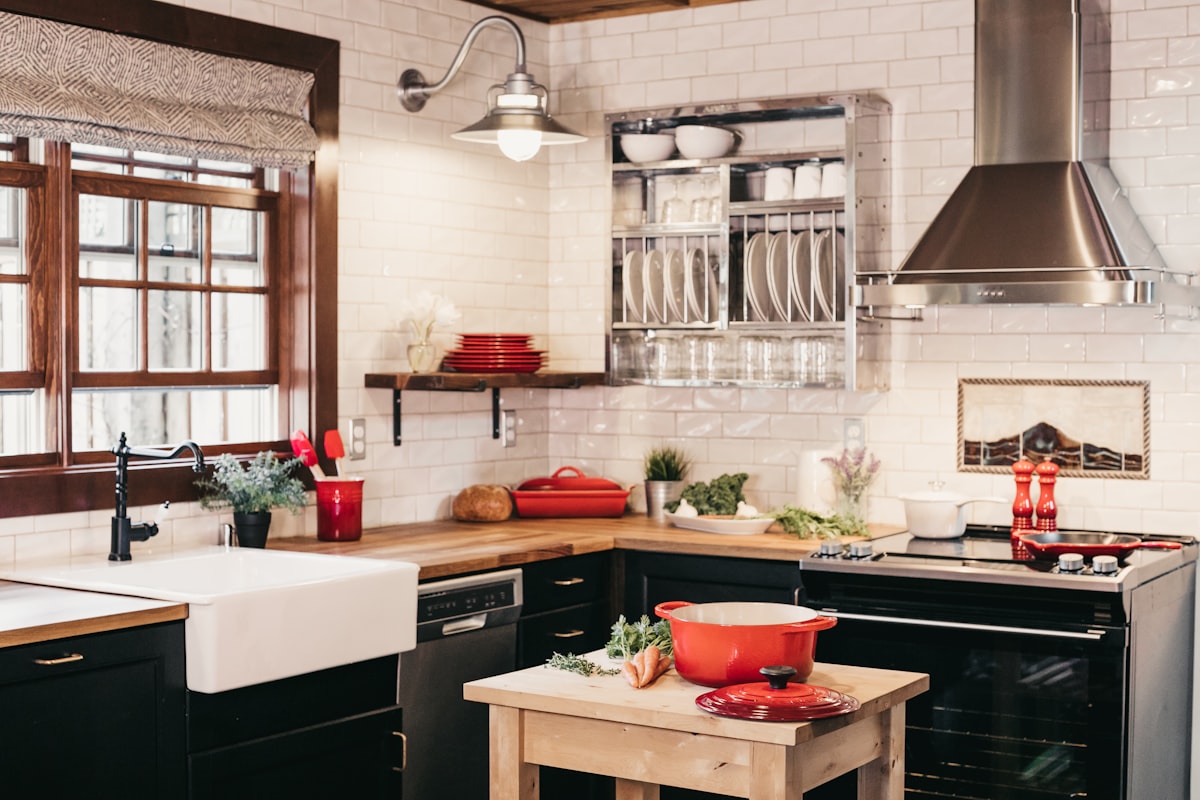
50+ ideas for decorating above kitchen cabinets, styling the tops of cabinets, and making the most of the space on, around, and inside your kitchen cabinets. Seasonal decorating, minimalist vs maximalist approaches, plants, art, lighting, open shelving, and glass-front displays.
Plan Your ProjectView Our Work
Custom Kitchens by Lopez TeamApril 7, 202618 min read
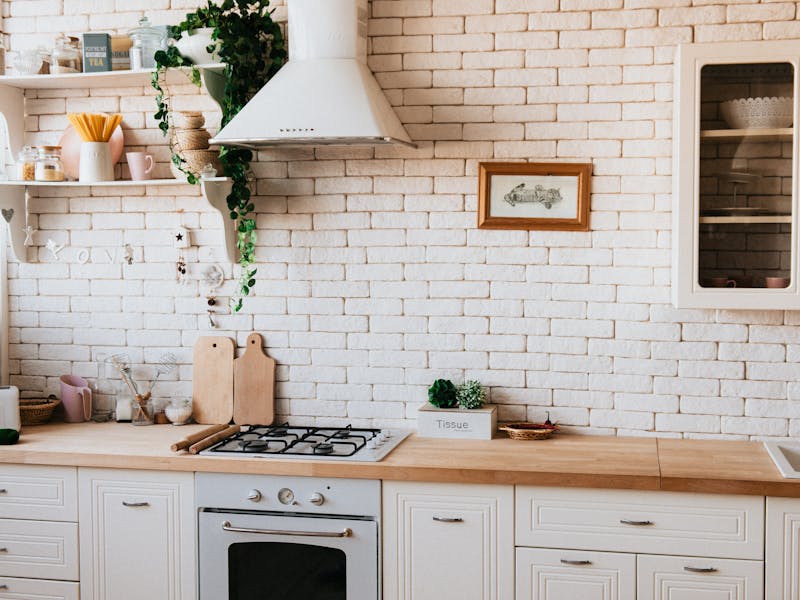
Kitchen Cabinet Decor Ideas: Above, On Top & Around Your Cabinets
That space above your kitchen cabinets is either a design opportunity or a dust collection zone — and the difference comes down to whether you approach it with intention or just put random stuff up there and hope for the best.
In 20+ years of building custom kitchens across New Jersey, we have seen every approach: cabinets loaded with silk flowers (please stop), beautifully curated collections that make the kitchen feel complete, and strategic decisions to eliminate the space entirely. Every option has a place — the right one depends on your kitchen, your style, and your tolerance for climbing a step stool with a damp cloth.
This guide covers every approach to kitchen cabinet decor — above the cabinets, on top, inside glass-front doors, on open shelving, and around the kitchen — with practical styling advice and NJ-specific considerations for our area's common kitchen layouts.
What this guide covers:
- Decorating above kitchen cabinets (the gap between cabinets and ceiling)
- Styling the tops of kitchen cabinets
- Open shelving display strategies
- Glass-front cabinet styling
- Seasonal decorating ideas
- Minimalist vs. maximalist approaches
- Practical maintenance tips
Should You Even Decorate Above Kitchen Cabinets?
Before choosing what to put up there, decide whether to use that space at all. Your options, ranked from cleanest to most decorative:
Option 1: Extend Cabinets to the Ceiling
The most polished, modern approach is eliminating the above-cabinet space entirely by running cabinets all the way to the ceiling. No gap, no dust collection, no decorating needed — and you gain 25-40% more storage.
Best for: New kitchen remodels, modern and minimalist kitchens, homeowners who dislike dusting. NJ cost: Ceiling-height cabinets add $1,500-$4,000 to a cabinet order depending on the run length. See our custom vs stock cabinet guide for options.
Option 2: Close the Gap with Crown Molding
If you have existing cabinets that stop 2-6 inches below the ceiling, crown molding bridges the gap and creates the appearance of built-in cabinetry. This is the most cost-effective way to create a clean, finished look without replacing cabinets.
Best for: Kitchen refreshes, traditional and transitional styles, gap under 6 inches. NJ cost: $300-$1,200 for crown molding installation across a typical kitchen cabinet run.
Option 3: Use the Space with Intention
If you have a gap of 8-18 inches between cabinet tops and ceiling, that space is a legitimate design zone. But it requires an intentional approach — not random clutter.
Best for: Traditional, farmhouse, eclectic, and transitional kitchens with visible above-cabinet space.
Decorating Above Kitchen Cabinets (Ideas 1-12)
1. LED Strip Lighting on Top of Cabinets
The simplest and most effective above-cabinet treatment. LED strips placed on top of the cabinets throw warm light upward toward the ceiling, creating ambient glow that makes the ceiling feel higher and the kitchen feel larger. The light washes up the wall and ceiling, not down, so it provides ambiance rather than task lighting.
Best for: Modern, contemporary, transitional kitchens. Works in any size gap. NJ cost: $50-$200 for plug-in LED strips; $200-$600 for hardwired installation.
2. Large-Scale Pottery and Vases (3-5 Pieces Maximum)
A curated collection of 3-5 large pottery pieces or ceramic vases in a cohesive color palette creates a gallery-like display. The key word is large — small items get lost at that height and look like clutter. Each piece should be at least 8-12 inches tall.
Best for: Traditional, farmhouse, Mediterranean, eclectic kitchens. Styling rule: Group in odd numbers. Vary heights within the group. Leave space between objects.
3. Woven Baskets and Natural Textures
Woven baskets in natural tones (rattan, seagrass, bamboo) add warmth and texture to the above-cabinet zone. They also provide concealed storage — use them to store seldom-used items, holiday supplies, or extra linens.
Best for: Farmhouse, coastal, bohemian, Scandinavian kitchens. Practical bonus: Unlike decorative objects, baskets actually store things while looking intentional.
4. Trailing Plants
Trailing plants that drape down the front face of the cabinets add life and softness to the kitchen. The best trailing plants for above-cabinet placement:
- Pothos (golden or marble queen) — nearly indestructible, thrives in low-to-medium light
- Philodendron heartleaf — fast-growing trailer, tolerates inconsistent watering
- String of pearls — dramatic cascading effect, needs bright indirect light
- English ivy — classic trailing vine, works in cooler NJ kitchens
- Tradescantia — colorful leaves, fast grower
Practical note: Above-cabinet areas near the ceiling are warm and dry. Choose plants that tolerate these conditions. Water carefully — drips onto finished cabinets can cause water marks. Use saucers or cachepots.
Faux alternative: Quality artificial trailing greenery works well in this location because the distance from eye level hides the "fake" look. Brands like Nearly Natural and West Elm carry realistic options.
5. Cookbooks and Vintage Books
A row of cookbooks or vintage books displayed spine-out creates a warm, lived-in feel. This works best when the books share a color palette or are similar sizes for a cohesive line.
Best for: Traditional, farmhouse, eclectic, bistro-style kitchens. Styling tip: Mix standing books with a few laid flat in stacks of 2-3, topped with a small decorative object.
6. Architectural Salvage and Vintage Finds
Old wooden cutting boards, vintage signs, antique kitchen scales, corbels, or reclaimed wood pieces arranged above the cabinets add character and history. This approach works when pieces are large enough to read at that height.
Best for: Farmhouse, industrial, rustic, eclectic kitchens.
7. Artwork (Leaned, Not Hung)
Lean framed art prints or canvas pieces against the wall on top of the cabinets. Overlapping frames at different sizes creates a casual, gallery-style display. This approach is easy to change seasonally and does not require putting holes in the wall above the cabinets.
Best for: Modern, eclectic, transitional, coastal kitchens. Size guidance: Each piece should be at least 11x14 inches. Smaller frames disappear at that height.
8. Matching Vessels in a Row
A series of identical or coordinated vessels — matching white pitchers, blue and white ginger jars, clear glass bottles, or stoneware crocks — arranged in a deliberate row across the full cabinet run creates a rhythmic, polished display.
Best for: Traditional, transitional, coastal, French country kitchens. Styling rule: Odd numbers (3, 5, or 7) with consistent spacing between each vessel.
9. Nothing (Intentionally Empty)
Sometimes the most modern choice is to leave the space empty. Clean, undecorated space above the cabinets lets the eye rest and creates a sense of calm. This works when the gap is small (under 8 inches) and the wall behind is painted a clean, consistent color.
Best for: Modern, minimalist, contemporary kitchens.
10. Decorative Molding and Trim (Soffit Treatment)
For gaps of 6-12 inches, adding a decorative band of molding, a flat soffit panel, or a trim piece across the front creates a finished, architectural look. Paint it to match the cabinets or the wall for a seamless appearance.
Best for: Traditional, transitional kitchens with medium-gap spaces. NJ cost: $500-$1,500 for soffit or trim installation across a typical kitchen.
11. Glass Cloches and Display Domes
Large glass cloches (bell jars) or display domes housing a single object — a wooden sphere, a small plant, a candle — create a curated, museum-quality look. Use 2-3 cloches, not a dozen.
Best for: Transitional, modern, French country kitchens.
12. Letterboard or Chalkboard Strip
A long, narrow letterboard or chalkboard strip running along the above-cabinet space creates a changeable display — quotes, seasonal messages, or family inside jokes. Quirky and personal.
Best for: Eclectic, family, farmhouse kitchens.
Styling the Tops of Kitchen Cabinets (Ideas 13-18)
When decorating the actual cabinet top surface, these principles create polished results:
13. The Triangle Arrangement
Group three items of different heights in a triangular composition: one tall item (vase, plant, candlestick), one medium item, and one small item. Place the tallest toward the back. This arrangement reads as intentional from across the room.
14. Repetition with Variation
Place similar objects (all white vases, all wooden bowls, all ceramic planters) in a row but vary the sizes slightly. The repetition creates rhythm; the variation prevents monotony.
15. Scale to the Space
Objects should fill 50-70% of the available height. If you have 15 inches of space, your tallest object should be 8-10 inches. Too small and they disappear. Too tall and they look crammed.
16. Edit Ruthlessly
The number one mistake in above-cabinet decorating is putting too much stuff up there. Three to five objects per 3-4 foot section is the maximum. When in doubt, remove something.
17. Consistent Color Story
Limit your above-cabinet palette to 2-3 colors that coordinate with the kitchen. All-white, all-natural tones, blue and white, or green and cream are safe, cohesive choices.
18. Consider the Viewing Angle
You see above-cabinet decor from below and at a distance. Heavy, dark objects look heavier from below. Light-colored, airy objects feel more appropriate. Test your arrangement by stepping back to the far side of the room — that is how guests will see it.
Open Shelving Display Ideas (Ideas 19-25)
Open shelving (floating shelves replacing upper cabinets on one wall) requires a different approach than above-cabinet decorating. These shelves are at eye level and highly visible — what you put on them becomes a core part of the kitchen's visual identity.
19. Daily Dishes as Decor
Your nicest everyday dishes, stacked neatly and in matching sets, are the easiest and most functional open shelf display. White dishes are universally clean-looking. Stack plates, display mugs handle-out, and line up bowls.
20. The 70/30 Rule
Keep 70% functional items (dishes, glasses, jars, cookbooks) and 30% decorative items (a small plant, a candle, a wooden object). This keeps the shelves feeling purposeful rather than like a store display.
21. Matching Containers for Dry Goods
Decant pantry staples (pasta, flour, rice, beans, coffee) into matching glass or ceramic containers with labels. This turns functional storage into visual display and keeps the shelves looking cohesive.
22. Odd Number Grouping
On each shelf, group items in clusters of 3 or 5. A stack of plates, a small plant, and a cookbook. Or three matching jars, a wooden cutting board, and a mug. The odd-number rule creates visual interest.
23. Height Variation on Every Shelf
Each shelf should have items of different heights. A tall item (bottle, vase), medium items (stacked plates, canisters), and a low item (bowl, small plant) create a dynamic, composed look.
24. Leave Breathing Room
At least 30-40% of each shelf surface should be empty. Overcrowded shelves look cluttered, not curated. If you need more storage, put a cabinet on that wall instead.
25. Seasonal Rotation
Swap one or two items per shelf each season to keep the display feeling fresh. Spring: fresh herbs in small pots. Summer: clear glass and citrus tones. Fall: warm ceramics and wooden boards. Winter: metallic accents and candles.
Glass-Front Cabinet Display Ideas (Ideas 26-30)
Glass-front cabinet doors provide the openness of shelving with the dust protection of closed cabinets. Styling them requires the same intentionality as open shelves.
26. Matching Dinnerware Sets
The simplest, most elegant approach: stacked matching white plates, lined-up glasses, and neatly arranged bowls. Uniformity behind glass reads as sophisticated and intentional.
27. Color-Blocked Arrangements
Arrange items by color: all white dishes on one shelf, all blue glasses on another. This creates a graphic, modern display behind the glass.
28. Curated Collection Display
If you collect something (vintage cups, pottery, art glass), a glass-front cabinet turns the collection into a display feature rather than clutter. Limit the collection to one cabinet for maximum impact.
29. Backlit Glass Cabinets
Install small LED puck lights or a strip light inside the cabinet to illuminate the contents. Lit glass cabinets become a glowing focal point in the evening — particularly effective on a wall opposite the kitchen entrance.
NJ cost: $50-$150 per cabinet for plug-in LED puck lights; $150-$300 per cabinet for hardwired strip lighting.
30. Less Is More Behind Glass
Because the glass is see-through, every item is always visible. Fewer items, neatly arranged, with space between them always looks better than crammed-full cabinets. If you have items you do not want on display, put them in solid-door cabinets.
Seasonal Kitchen Decorating Ideas (Ideas 31-36)
Seasonal rotation keeps the kitchen feeling fresh without requiring permanent design changes.
31. Spring
Fresh herbs in small pots on the windowsill or shelves. A simple floral arrangement (grocery store flowers in a clear vase). Swap dark or heavy above-cabinet items for lighter-toned ceramics or clear glass.
32. Summer
Clear glass vases or bottles. Bright citrus in a bowl on the counter. Nautical or coastal accents (especially in NJ shore-area kitchens). Fresh fruit as counter decor.
33. Fall
Warm-toned ceramics (amber, terracotta, olive). A wooden bowl of seasonal gourds on the counter (real or high-quality faux). Warm metal accents (copper, brass). Earth-toned linens.
34. Winter / Holiday
Metallic accents (gold, silver, copper). Candles in mercury glass or ceramic holders. Simple greenery (real or faux eucalyptus, pine sprigs). A restrained holiday touch — not a full Christmas explosion on every surface.
35. Year-Round Neutral Base
Keep 80% of your kitchen decor neutral and year-round. Swap only 20% seasonally — a few objects on shelves, a counter arrangement, and above-cabinet accents. This keeps seasonal decorating manageable rather than overwhelming.
36. The Seasonal Swap Box
Keep a single storage box for each season with the 5-10 items you rotate in. This prevents accumulating too much seasonal decor and makes the swap quick and intentional.
Minimalist vs. Maximalist Approaches (Ideas 37-40)
37. Minimalist: The "Less Is Everything" Approach
- Cabinets to ceiling (no above-cabinet space)
- Clean countertops with 2-3 items maximum
- Open shelving with only what you use daily
- No above-cabinet decor
- Consistent color palette (all white, all neutral)
Best for: Modern, contemporary, Scandinavian kitchens. Homeowners who find visual clutter stressful.
38. Edited Minimalist: The Sweet Spot
- A few strategic above-cabinet pieces (3-5 total, large scale)
- Open shelving with the 70/30 functional/decorative ratio
- Clean countertops with one curated arrangement
- One statement element (a single large piece of art, a bold plant)
Best for: Transitional, modern farmhouse, coastal kitchens. Most homeowners land here.
39. Curated Maximalist: More Is More (Done Right)
- Above-cabinet space fully decorated with a cohesive collection
- Open shelving layered with dishes, cookbooks, plants, and objects
- Counter displays with decorative canisters, cutting boards, and a plant
- Mixed materials: wood, ceramic, glass, woven textures
Best for: Eclectic, bohemian, collected-over-time kitchens. Requires a strong color palette and regular editing.
40. Maximalist: The "Grandmother's Kitchen" Risk
When every surface is covered, every shelf is full, and items have no breathing room, the kitchen crosses from curated to cluttered. The line between charming and chaotic is editing. If you are a maximalist, maintain one rule: leave at least 20% of each surface empty.
Practical Maintenance Tips
Cleaning Above-Cabinet Surfaces
The tops of kitchen cabinets collect a sticky film of grease-laden dust, especially within 4-6 feet of the stove. This residue is difficult to remove once it builds up.
Prevention:
- Line the tops of cabinets with parchment paper or cabinet shelf liner. When it gets grimy, replace the liner rather than scrubbing the cabinet surface.
- Clean every 3-6 months with warm water and dish soap or a kitchen degreaser.
- Remove all decorative items during cleaning — do not clean around them.
Reducing Dust Collection
- Fewer items = less dusting
- Smooth surfaces (ceramic, glass) are easier to wipe than textured surfaces (woven baskets, rough pottery)
- LED strip lighting produces less dust-attracting static than some objects
- Glass-front cabinets protect contents from grease and dust entirely
Safe Access
Above-cabinet areas are typically 7-9 feet off the ground. Use a stable step stool or small step ladder — never a chair — when placing or cleaning above-cabinet items. If you find yourself never cleaning or adjusting the display because it is too hard to reach, simplify the display or close the gap with crown molding.
Frequently Asked Questions
What should I put on top of my kitchen cabinets?
Large-scale items (8-12+ inches tall) in a cohesive palette: pottery, vases, woven baskets, trailing plants, or LED lighting. Keep to 3-5 objects per 3-4 foot section. Avoid small figurines, dusty silk flowers, and random collections of mismatched items.
Is decorating above kitchen cabinets outdated?
The cluttered approach (silk flowers, themed collections, knickknacks) is outdated. Intentional, edited displays with large-scale objects or strategic lighting are current. Running cabinets to the ceiling to eliminate the space is the most modern option.
Should I fill the space above kitchen cabinets?
If the gap is under 6 inches: close it with crown molding. If 6-12 inches: add trim or a few strategic objects. If 12-18 inches: decorate intentionally or extend the cabinets. Leaving a large gap empty looks unfinished.
What plants work above kitchen cabinets?
Trailing plants work best: pothos, philodendron heartleaf, string of pearls, English ivy, tradescantia. They tolerate warm, dry air near the ceiling and the trailing effect softens the cabinet edge. Quality faux trailing greenery is a practical alternative.
How often should I clean above kitchen cabinets?
Every 3-6 months. Use parchment paper or shelf liner on the cabinet tops for easier maintenance. The closer to the stove, the more frequently cleaning is needed.
Ready to Update Your Kitchen Cabinets?
Whether you want to extend your cabinets to the ceiling, replace solid doors with glass fronts, add open shelving, or completely redesign your kitchen cabinetry, we handle every aspect of kitchen cabinet design and installation across Monmouth and Ocean Counties.
Schedule your free kitchen consultation | Request a quick quote | Call (732) 984-1043
Related Resources
- Kitchen Cabinet Color Trends
- Kitchen Cabinet Trends 2026
- Shaker vs Flat Panel Cabinets
- Custom vs Stock Cabinets
- Stock vs Semi-Custom vs Custom Cabinets
- Kitchen Backsplash Ideas: 50+ Designs
- Kitchen Remodeling Services
*Custom Kitchens by Lopez is a licensed NJ Home Improvement Contractor (HIC #13VH04175700) serving Monmouth County and Ocean County since 2005.*
Planning a Complete Kitchen?
See how CKL plans custom cabinetry, premium materials, and $75,000+ kitchen projects.
Ready to start your project?
Related Services
Kitchen Remodeling Near MeCustom Kitchen CabinetsCountertop InstallationKitchen Backsplash Installation
5 Rating(46+ reviews)
Ready to Plan the Complete Kitchen?
Move from product research to a complete design plan. See real CKL kitchens, the decisions that define luxury work, and the $75,000–$150,000+ planning range.
Explore Luxury KitchensCall 732.984.1043
Licensed & Insured20+ Years ExperienceLuxury kitchens from $75,000
Local Services
Kitchen Remodeling FreeholdKitchen Remodeling EdisonKitchen Cabinets FreeholdKitchen Cabinets EdisonMonmouth County Kitchen Remodeling
Popular Service Areas
Holmdel, NJColts Neck, NJRumson, NJMarlboro, NJShrewsbury, NJMiddletown, NJRed Bank, NJFreehold, NJSpring Lake, NJManalapan, NJ
Ready to start your project?
Get a free, no-obligation quote today.
5 (46+ reviews)
Category
Kitchen Design# Coffee Bar Ideas: Designs + What It Costs to Build One (NJ 2026)# Green Kitchen Cabinets: The Complete Guide to Shades, Pairings, Paint & Cost
More Articles
Ready to Start Your Project?
Request a private design consultation for your substantial kitchen, bath, cabinetry, or whole-home project.