
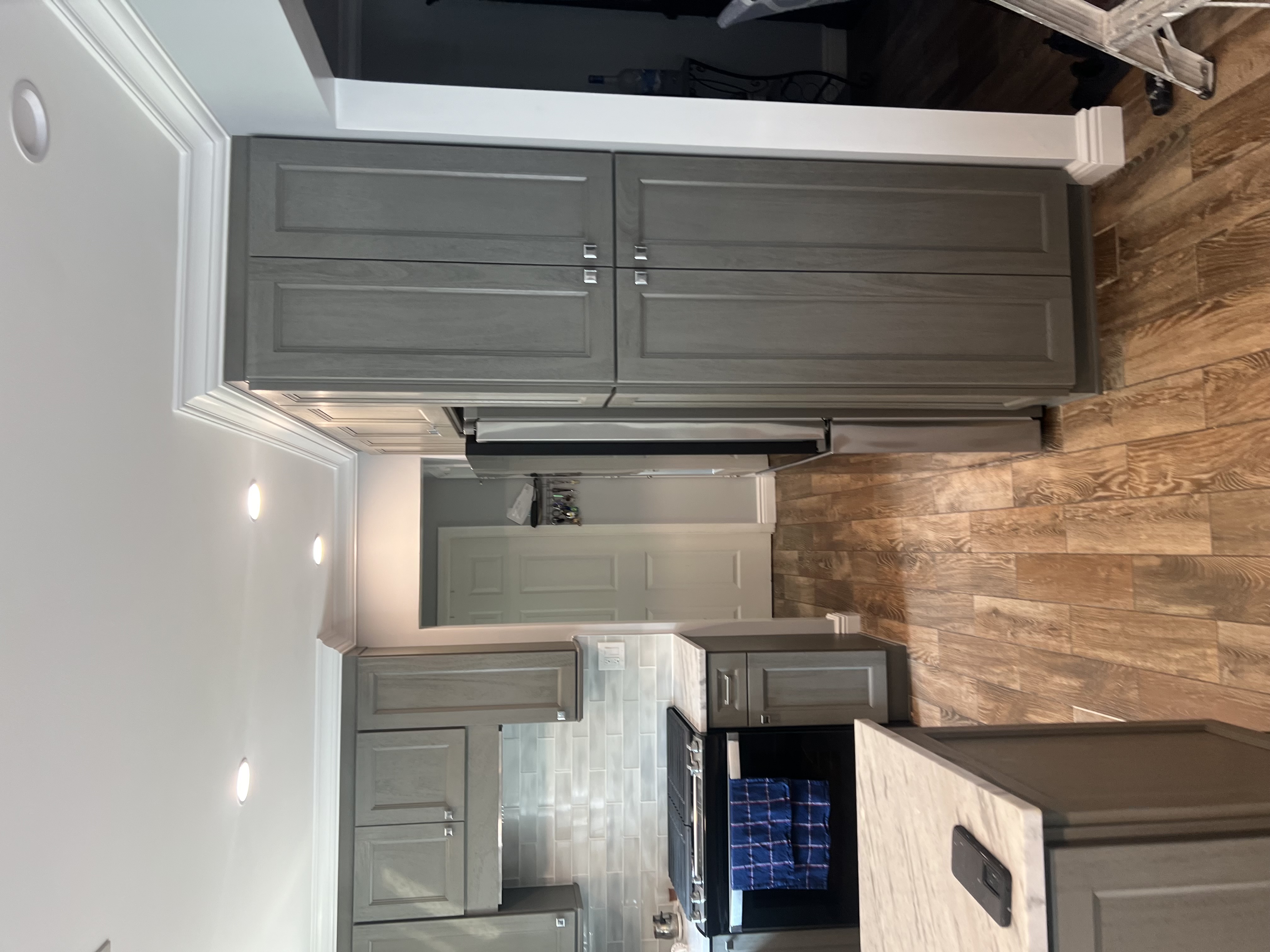
25+ kitchen pantry ideas for New Jersey homes. Walk-in pantries, butler's pantries, pull-out pantry cabinets, closet conversions, open shelving, and more. Space requirements, costs, and best pantry designs for NJ colonials, ranches, Cape Cods, and new construction. Expert guidance from Custom Kitchens by Lopez.
Plan Your ProjectView Our Work
Custom Kitchens by Lopez TeamApril 7, 202624 min read
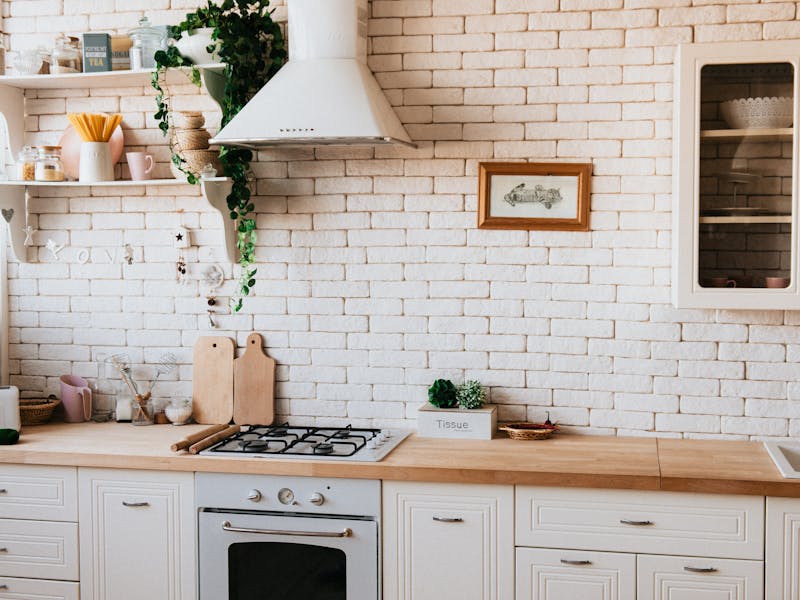
Kitchen Pantry Ideas: Storage Solutions for NJ Homes
A well-designed pantry solves the number-one complaint NJ homeowners have about their kitchens: not enough storage. Counters cluttered with appliances, cabinets stuffed to the point where things fall out when you open the door, and a constant feeling that there is nowhere to put anything — all of it goes away when you add a proper pantry.
The challenge in New Jersey homes is that most kitchens weren't designed with adequate pantry space. Cape Cods from the 1940s have galley kitchens where the original builders assumed a basement root cellar would handle storage. Colonials from the 1970s have more cabinet space but no dedicated pantry room. Even newer construction sometimes shortchanges pantry square footage in favor of a larger island or open floor plan.
The good news: you can add a pantry to virtually any NJ home. After over 20 years of kitchen remodeling across New Jersey, we have built pantries into homes where homeowners swore there was no space for one. This guide covers 25+ pantry designs organized by type, with honest NJ pricing, space requirements, and recommendations for common NJ home types.
What this guide covers:
- 25+ pantry ideas organized by type and size
- Space requirements and minimum dimensions
- NJ cost ranges for each pantry type
- Best pantry solutions for NJ colonials, ranches, Cape Cods, and new construction
- Shelving, lighting, and organization systems
- How to find hidden pantry space in your existing floor plan
Walk-In Pantry Ideas (Ideas 1-6)
The walk-in pantry is the gold standard — a dedicated room for food storage, small appliances, and kitchen overflow. If you have the space (or can create it during a remodel), a walk-in pantry transforms how you use your kitchen.
1. U-Shaped Walk-In Pantry
Shelving on three walls with an open center aisle for standing and accessing everything.
Minimum space: 5 x 7 feet (35 square feet) NJ cost: $5,000 to $12,000 Storage capacity: 80 to 120 linear feet of shelf space
The U-shape maximizes storage per square foot by using three walls. The center aisle needs to be at least 36 inches wide for comfortable access (42 inches is better if two people will be in the pantry simultaneously). Adjustable shelving on all three walls allows you to customize shelf heights for different items — tall cereal boxes on one shelf, short spice jars on another.
NJ home fit: This is the ideal pantry for NJ colonials where a coat closet, mud room portion, or adjacent hallway space can be repurposed. Many 1980s and 1990s colonials have a closet between the kitchen and garage entry that converts perfectly into a U-shaped pantry.
2. L-Shaped Walk-In Pantry
Shelving on two walls meeting at a corner, with the door on one of the open walls.
Minimum space: 5 x 5 feet (25 square feet) NJ cost: $4,000 to $10,000 Storage capacity: 50 to 80 linear feet of shelf space
The L-shape works in smaller spaces where a third wall is occupied by the door or a window. It provides substantial storage while keeping the footprint modest. The open walls can accommodate a countertop surface for small appliances — a dedicated spot for the stand mixer, food processor, or bread maker that you don't want on your main kitchen counter.
3. Galley Walk-In Pantry
Shelving on two parallel walls with a center aisle, like a miniature hallway of storage.
Minimum space: 3 x 7 feet (21 square feet) NJ cost: $3,500 to $9,000 Storage capacity: 50 to 70 linear feet of shelf space
The galley pantry fits into narrow spaces — a hallway between the kitchen and dining room, a section of a laundry room, or a closet with the back wall removed to create depth. The narrow width makes it feel efficient rather than cramped, and the long sight lines mean you can see every item from the doorway.
NJ home fit: This is the best pantry type for NJ split-levels and bi-levels where the kitchen is on the upper floor with a hallway leading to the dining area. That hallway often has wasted wall space on both sides that converts into a galley pantry.
4. Walk-In Pantry With Countertop
A walk-in pantry that includes a section of countertop with electrical outlets, creating a secondary prep or appliance station.
Minimum space: 5 x 8 feet (40 square feet) NJ cost: $6,000 to $15,000
The countertop pantry is part storage, part auxiliary kitchen. The countertop (typically 24 to 30 inches of uninterrupted counter space) provides a permanent home for countertop appliances: coffee maker, toaster, stand mixer, Instant Pot, air fryer. This clears your main kitchen counter of clutter while keeping appliances plugged in and ready to use behind the pantry door.
Electrical requirement: Install a minimum of two dedicated 20-amp circuits with GFCI protection for pantry countertop outlets. If a microwave will live here, it needs its own circuit.
5. Open Archway Walk-In Pantry
A walk-in pantry without a door, accessed through a decorative archway or wide opening from the kitchen.
Minimum space: 5 x 5 feet (25 square feet) NJ cost: $5,000 to $12,000
The doorless pantry blends into the kitchen rather than hiding behind a closed door. An arched or trimmed opening frames the pantry as a design feature. This approach works when the pantry contents are well-organized and visually consistent — matching containers, labeled bins, and curated shelving. It does not work if the pantry is a catch-all for mismatched boxes and bags.
Design tip: Install a barn door or pocket door track so you can close the pantry when company comes. Best of both worlds — open for daily use, closed for entertaining.
6. Corner Walk-In Pantry
A triangular or diamond-shaped pantry built into a kitchen corner, maximizing dead corner space.
Minimum space: 6 x 6 feet corner (approximately 18 square feet of usable space) NJ cost: $5,000 to $12,000
Kitchen corners are the most underutilized space in NJ homes. A corner pantry captures the dead space that a standard corner cabinet cannot reach. Lazy Susan shelving in the triangular interior makes every item accessible. The entry is a standard door in the corner of the kitchen, and the interior fans outward.
Built-In and Reach-In Pantry Ideas (Ideas 7-12)
When a walk-in pantry isn't possible, built-in pantry cabinets deliver significant storage in a fraction of the footprint.
7. Floor-to-Ceiling Pantry Cabinet
A tall cabinet (84 to 96 inches) with adjustable shelves, pull-out drawers, and full-extension hardware that uses an entire wall section.
Space needed: 24 to 36 inches wide, 24 inches deep, 84 to 96 inches tall NJ cost: $2,500 to $6,000 per cabinet Storage capacity: 20 to 35 linear feet of shelf space
The floor-to-ceiling pantry cabinet is the most popular pantry solution for NJ kitchens that lack a dedicated pantry room. Two of these cabinets flanking a refrigerator create a built-in look while adding massive storage. Full-extension pull-out shelves on the lower sections and adjustable fixed shelves on the upper sections make every item accessible.
Hardware critical: Insist on full-extension, soft-close drawer slides for every pull-out shelf. Partial-extension slides hide items in the back — defeating the purpose of a pantry where you need to see everything.
8. Pull-Out Pantry Tower
A narrow (6 to 12 inches wide) floor-to-ceiling pull-out unit on heavy-duty slides. The entire unit pulls out like a giant drawer, revealing shelves on both sides.
Space needed: 6 to 12 inches wide, 24 inches deep, 80 to 90 inches tall NJ cost: $1,500 to $4,000 Storage capacity: 15 to 25 linear feet of shelf space
The pull-out pantry tower is the secret weapon for small NJ kitchens. It fits into a 6-inch gap between the refrigerator and the wall, a narrow space next to a doorway, or any leftover slot that would otherwise be a filler panel. When closed, it looks like a standard cabinet panel. When pulled open, it reveals rows of organized storage.
Weight capacity: A properly installed pull-out tower on 200-pound-rated slides holds 150 to 200 pounds of canned goods, bottles, and dry goods. Use bottom-mounted slides (not side-mounted) for heavy-load stability.
9. Double-Door Reach-In Pantry
A wide pantry with two hinged doors that open to reveal a shallow depth of adjustable shelving — like a reach-in closet for food.
Space needed: 36 to 60 inches wide, 16 to 24 inches deep NJ cost: $3,000 to $7,000 Storage capacity: 30 to 50 linear feet of shelf space
The double-door reach-in is the traditional pantry style found in many NJ homes. Its shallow depth (16 to 24 inches) means every item is visible without reaching behind rows of cans. The wide opening gives you a full view of the contents every time you open the doors. Door-mounted racks add even more storage for spices, oils, and small items.
10. Under-Stair Pantry
Converting the space under a staircase adjacent to the kitchen into a pantry with custom-fit shelving.
Space available: Varies by staircase — typically 15 to 30 usable square feet NJ cost: $3,000 to $8,000
The under-stair pantry is a smart solution for two-story NJ homes where the staircase is near the kitchen. The sloped ceiling creates a natural hierarchy: tall items in the highest section (near the bottom of the stairs), shorter items as the ceiling descends. Custom shelving cut to follow the stair angle maximizes every inch. A door (standard, pocket, or barn) seals the space.
NJ home fit: Colonials and center-hall colonials often have a staircase within steps of the kitchen. The under-stair closet is usually a coat closet or utility space that converts easily. Check for HVAC ducts and plumbing before committing — some under-stair spaces are occupied by mechanicals.
11. Appliance Garage Pantry
A section of counter-depth cabinetry with a retractable door (tambour, bi-fold, or lift-up) that hides small appliances and frequently used items.
Space needed: 24 to 48 inches wide, 18 to 24 inches deep, 18 to 24 inches tall (above counter) NJ cost: $1,000 to $3,000
The appliance garage is not a full pantry but solves the specific problem of countertop clutter. Coffee maker, toaster, blender — they live behind the door, plugged in and ready to use. Open the door, use the appliance, close the door. The counter stays clean and the appliances stay accessible.
Electrical: Install outlets inside the appliance garage during construction. At least two duplex outlets on a 20-amp GFCI circuit. Many NJ homeowners add a USB outlet for phone charging.
12. Over-Refrigerator Pantry Extension
Custom cabinetry extending from the top of the refrigerator to the ceiling, creating a pantry zone above and around the fridge.
Space needed: Width of refrigerator (30 to 36 inches), plus 12 to 24 inches on each side if flanking cabinets NJ cost: $2,000 to $5,000
Most NJ kitchens waste the space above the refrigerator. A standard upper cabinet at 12 inches deep sits too far back to be useful — items disappear behind the fridge. A custom pantry extension uses full-depth (24-inch) cabinetry with pull-down shelving hardware that brings items to you. The Hafele or Rev-A-Shelf pull-down shelf mechanism ($150 to $300 per shelf) makes this space genuinely usable.
Closet Conversion Pantry Ideas (Ideas 13-16)
The fastest and most affordable way to add a pantry: repurpose an existing closet near the kitchen.
13. Coat Closet to Pantry Conversion
Removing the coat rod and shelf, installing adjustable wall-mounted shelving systems, and adding door-mounted racks.
NJ cost: $800 to $3,000 Time to complete: 1 to 2 days
This is the number-one pantry recommendation we make for NJ homes without a pantry. Nearly every NJ colonial, Cape Cod, and ranch has a coat closet within 10 feet of the kitchen. Move the coats to a hallway closet, mudroom hook rack, or bedroom closet — and gain a functional food pantry. Wire shelving systems (ClosetMaid, Elfa) are the fastest install. Custom wood shelving looks better and costs $1,000 to $2,000 more.
14. Linen Closet to Pantry Conversion
Repurposing a hallway or bathroom-adjacent linen closet as a kitchen pantry.
NJ cost: $800 to $2,500 Time to complete: 1 to 2 days
If the kitchen doesn't have a nearby coat closet, a linen closet works just as well. Linen closets are typically shallower (16 to 18 inches deep) than coat closets, which is actually an advantage for a pantry — the shallow depth means no items get lost in the back. The linen relocates to under-bed storage boxes, a bathroom cabinet, or a bedroom closet shelf.
15. Laundry Room Shared Pantry
Adding a pantry shelving system to one wall of a laundry room that shares a wall with or is adjacent to the kitchen.
NJ cost: $1,500 to $4,000 Time to complete: 2 to 4 days
Many NJ homes have the laundry room directly behind or beside the kitchen. Adding floor-to-ceiling shelving to one wall of the laundry room creates a pantry without sacrificing any kitchen square footage. The laundry room door becomes the pantry access point. In some layouts, cutting a pass-through in the shared wall allows direct kitchen access to the pantry shelves.
NJ home fit: This is particularly effective in NJ ranch homes where the kitchen, laundry, and garage share a common wall.
16. Garage Entry Vestibule Pantry
Converting the small vestibule or landing between the kitchen and the garage into a pantry.
NJ cost: $2,000 to $5,000 Time to complete: 2 to 5 days
The garage entry landing in NJ homes is typically a 3 x 5 foot space used for nothing except walking through. Adding shallow shelving (10 to 14 inches deep) on both side walls creates a pass-through pantry. You walk through your pantry every time you come in from the garage — convenient for putting away groceries directly from the car.
Climate consideration for NJ: The garage entry vestibule is a transitional temperature zone. In summer, it may be warmer than the kitchen; in winter, cooler. This is fine for canned goods, dry goods, and sealed containers. It is not ideal for items sensitive to temperature fluctuation (chocolate, some oils, fresh produce).
Open Shelving and Display Pantry Ideas (Ideas 17-20)
17. Full-Wall Open Shelving Pantry
An entire kitchen wall (or a section of it) fitted with floating shelves for food storage and display.
NJ cost: $1,500 to $5,000 (floating shelves, brackets, and installation)
The open pantry wall is a design statement as much as a storage solution. It works when the contents are curated: matching glass jars for dry goods, uniform containers for snacks, labeled bins for categories. Clear containers are both functional (you see contents and levels) and beautiful when arranged consistently.
Practical reality check: Open shelving collects dust and requires regular cleaning. In NJ kitchens with gas stoves, grease film accumulates on nearby open shelves faster than in kitchens with electric or induction cooktops. If your open pantry wall is within 6 feet of the stove, plan to wipe shelves weekly.
18. Pegboard Pantry Wall
A large section of kitchen pegboard (modern, thick pegboard — not the flimsy hardware store variety) with hooks, baskets, and shelf brackets for customizable storage.
NJ cost: $500 to $2,000
The pegboard pantry is the most flexible storage system available. Rearrange hooks, baskets, and shelves whenever your storage needs change. It is particularly effective for small NJ kitchens where every vertical inch counts. Modern pegboard panels in matte black, white, or natural wood look intentional and designed — not garage-utility.
19. Mixed Open-and-Closed Pantry Wall
A combination of open shelves (for display items) and closed cabinets (for items you want hidden) arranged in a cohesive wall composition.
NJ cost: $3,000 to $8,000
This hybrid approach gives you the visual warmth of open shelving with the practicality of closed storage. The top third of the wall is open shelves for cookbooks, decorative bottles, and matching containers. The bottom two-thirds is closed cabinetry with pull-outs for the chaotic everyday items. It looks curated without requiring every item to be Instagram-worthy.
20. Freestanding Pantry Cabinet (Hutch)
A standalone furniture piece — a tall cabinet, armoire, or hutch — placed in or near the kitchen for pantry storage.
NJ cost: $500 to $3,000 (furniture purchase or custom-built)
The freestanding pantry cabinet is the zero-construction option. No carpentry, no permits, no wall modifications. Buy a tall cabinet, place it against a kitchen or dining room wall, and fill it. Vintage hutches and armoires can be repurposed beautifully. New freestanding pantry cabinets in kitchen-matched finishes are available from most cabinet manufacturers.
Pantry Organization Systems (Ideas 21-25)
The container and shelving system inside your pantry matters as much as the pantry itself.
21. Clear Container System
Decanting all dry goods (flour, sugar, rice, pasta, cereal, snacks) into uniform, clear, airtight containers with labels.
NJ cost: $100 to $500 (containers and labels)
This is the single most impactful pantry organization upgrade. Uniform containers create visual order, eliminate partially-open bags that spill and go stale, and let you see exactly what you have and what needs restocking. OXO Good Grips POP containers are the industry standard — airtight, stackable, and durable. A full pantry set of 20 to 30 containers runs $200 to $400.
22. Lazy Susan Corner Shelving
Rotating turntable shelves in pantry corners that bring items from the back to the front with a spin.
NJ cost: $50 to $200 per lazy Susan (plus installation if built-in)
Corner areas in walk-in pantries are dead zones where items disappear. A single 18-inch lazy Susan on a corner shelf brings everything to the front with a half-turn. Use them for oils, vinegars, sauces, and other bottle-shaped items that cluster naturally.
23. Pull-Out Wire Basket Drawers
Sliding wire baskets installed on drawer slides inside a pantry or pantry cabinet, creating visible, ventilated storage for produce, onions, potatoes, and bread.
NJ cost: $80 to $250 per drawer (hardware and installation)
Wire basket drawers serve items that need air circulation: potatoes, onions, garlic, winter squash, and bread. The open wire allows airflow that prevents the moisture buildup and mold that solid-shelf storage promotes. They also make the contents instantly visible — no digging through a dark corner.
24. Door-Mounted Spice Rack System
A full-height rack system mounted to the inside of the pantry door, using the door surface for shallow-depth storage.
NJ cost: $50 to $300
The pantry door interior is free real estate that most NJ homeowners waste. A door-mounted rack system holds 40 to 80 spice jars, plus shallow shelves for oils, extracts, and packets. Over-the-door racks (requiring no permanent installation) cost $20 to $50. Custom-mounted racks that are screwed into the door cost $100 to $300 and hold more weight.
25. Labeled Bin and Basket System
Woven or plastic bins and baskets on pantry shelves, each labeled by category (snacks, baking, breakfast, canned goods, etc.).
NJ cost: $50 to $300
Bins and baskets transform a pantry shelf from a cluttered horizontal surface into organized, categorized zones. Pull out the "baking" bin when you need flour, sugar, and baking powder instead of rummaging across three shelves. Labels (chalkboard, printed, or handwritten) make the system intuitive for every family member. This is the simplest pantry organization upgrade and the one with the highest daily-use impact.
Best Pantry Solutions by NJ Home Type
Colonial (1970s-1990s)
Original situation: No dedicated pantry. Small upper and lower cabinets. Coat closet near kitchen. Best approach: Convert coat closet to pantry (quickest win). During a remodel, steal 25 to 35 square feet from the adjacent dining room or hallway for a walk-in pantry. Budget: $2,000 to $10,000
Cape Cod (1940s-1960s)
Original situation: Tiny galley kitchen with minimal cabinetry. No closets near kitchen. Best approach: Pull-out pantry tower in a narrow gap. Floor-to-ceiling pantry cabinet if wall space allows. Under-stair pantry if the staircase is near the kitchen. Budget: $1,500 to $6,000
Ranch (1950s-1970s)
Original situation: L-shaped or galley kitchen. Laundry room often adjacent. Best approach: Shared laundry room pantry wall. Garage entry vestibule conversion. If remodeling, a walk-in pantry carved from the adjacent living space. Budget: $1,500 to $8,000
Split-Level (1960s-1970s)
Original situation: Kitchen on upper level with hallway to dining area. Best approach: Galley pantry in the hallway between kitchen and dining area. Under-stair pantry (the staircase is always adjacent in split-levels). Budget: $2,000 to $8,000
New Construction (2010s-2020s)
Original situation: Large open-concept kitchen. Pantry may already be included. Best approach: Dedicated walk-in pantry with countertop and appliance station. Butler's pantry between kitchen and dining area for entertaining. Design the pantry during the architecture phase, not as an afterthought. Budget: $5,000 to $25,000
Pantry Lighting
A dark pantry is a dysfunctional pantry. If you can't see it, you won't find it.
LED Shelf Lighting
LED strip lights mounted under each shelf illuminate the shelf below. This is the most effective pantry lighting because it eliminates shadows cast by upper shelves.
NJ cost: $100 to $400 (LED strips, transformer, dimmer) Installation: Battery-operated LED strips are the easiest (peel-and-stick, no electrician needed). Hardwired strips are brighter, more reliable, and triggered by the door switch.
Motion-Activated Ceiling Light
A ceiling-mounted LED fixture with a built-in motion sensor that turns on when you walk in and off after 30 to 60 seconds of no movement.
NJ cost: $50 to $150 (fixture and installation) Best for: Walk-in pantries where you want hands-free operation.
Door-Activated Switch
A contact switch on the door frame that turns the pantry light on when the door opens and off when it closes.
NJ cost: $30 to $100 (switch and wiring to existing fixture) Best for: Reach-in pantries and closet-conversion pantries.
Common Pantry Planning Mistakes
Mistake 1: Shelves too deep. Shelves deeper than 16 inches (for a reach-in pantry) cause items to disappear in the back. Use 12 to 16 inch depth for most shelves; only go deeper for bottom shelves holding large items.
Mistake 2: All shelves the same height. Spice jars are 4 inches tall. Cereal boxes are 12 inches tall. Oil bottles are 14 inches tall. Adjustable shelving solves this — but many homeowners install fixed shelves all at the same spacing and waste vertical space.
Mistake 3: No electrical in a walk-in pantry. At minimum, a walk-in pantry needs one light fixture and one duplex outlet. Two outlets on a dedicated 20-amp circuit is better if the pantry will house appliances.
Mistake 4: Forgetting ventilation. An enclosed pantry with no air circulation can become warm and stuffy, especially in NJ summers. This shortens the shelf life of certain foods. A small passive vent in the door or a gap at the bottom of the door solves this. HVAC-connected pantries (on the house's heating and cooling system) stay at optimal food storage temperatures year-round.
Mistake 5: Ignoring the door swing. A pantry door that opens inward reduces usable interior space. A pantry door that opens outward can block kitchen traffic. Pocket doors and barn doors solve both problems.
Ready to Add a Pantry to Your Kitchen?
Whether you need a quick closet conversion or a full walk-in pantry built during a kitchen remodel, we can design a storage solution that fits your home, your cooking habits, and your budget. Every pantry project starts with understanding your kitchen's layout, your storage needs, and the hidden space available in your home.
Call us at (732) 984-1043 or request a free consultation to discuss your pantry project.
Related Guides
- Kitchen Renovation Ideas: 50+ Designs
- Butler's Pantry Ideas for NJ Homes
- Kitchen Remodeling Cost Guide
- Best Kitchen Layouts for NJ Homes
- Kitchen Remodeling Services
*Custom Kitchens by Lopez is a licensed NJ Home Improvement Contractor (HIC #13VH04175700) serving Monmouth County and Ocean County since 2005.*
Planning a Complete Kitchen?
See how CKL plans custom cabinetry, premium materials, and $75,000+ kitchen projects.
Ready to start your project?
Related Services
Kitchen Remodeling Near MeCustom Kitchen CabinetsCountertop InstallationKitchen Backsplash Installation
5 Rating(46+ reviews)
Ready to Plan the Complete Kitchen?
Move from product research to a complete design plan. See real CKL kitchens, the decisions that define luxury work, and the $75,000–$150,000+ planning range.
Explore Luxury KitchensCall 732.984.1043
Licensed & Insured20+ Years ExperienceLuxury kitchens from $75,000
Local Services
Kitchen Remodeling FreeholdKitchen Remodeling EdisonKitchen Cabinets FreeholdKitchen Cabinets EdisonMonmouth County Kitchen Remodeling
Popular Service Areas
Holmdel, NJColts Neck, NJRumson, NJMarlboro, NJShrewsbury, NJMiddletown, NJRed Bank, NJFreehold, NJSpring Lake, NJManalapan, NJ
Ready to start your project?
Get a free, no-obligation quote today.
5 (46+ reviews)
Category
Kitchen Design# Coffee Bar Ideas: Designs + What It Costs to Build One (NJ 2026)# Green Kitchen Cabinets: The Complete Guide to Shades, Pairings, Paint & Cost
More Articles
Ready to Start Your Project?
Request a private design consultation for your substantial kitchen, bath, cabinetry, or whole-home project.