
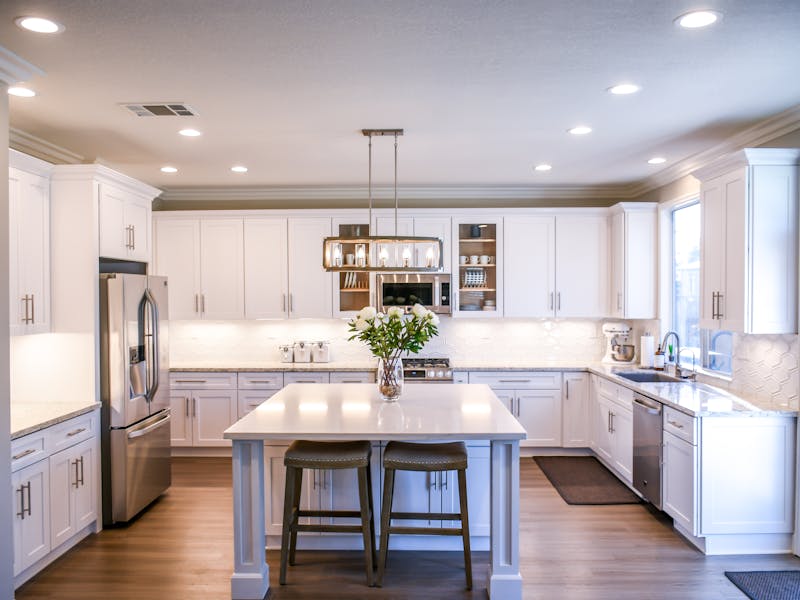
Avoid expensive kitchen remodel mistakes that NJ homeowners commonly make. Expert tips on budgeting, layout, materials, and contractor selection from 20+ years of experience.
Plan Your ProjectView Our Work
Custom Kitchens by Lopez TeamDecember 14, 202611 min read
12 Costly Kitchen Remodeling Mistakes (And How to Avoid Them)
A kitchen remodel is one of the largest investments you'll make in your home. After 20+ years of kitchen remodeling in New Jersey, we've seen the same mistakes cost homeowners thousands of dollars, months of delays, and endless frustration.
The good news? Every one of these mistakes is avoidable. Here are the 12 most costly kitchen remodeling mistakes we see—and exactly how to avoid them.
Mistake #1: Inadequate Budget Planning
The mistake: Underestimating costs and not including contingency funds.
Why it's costly:
- Mid-project financial stress leads to cutting corners
- Unexpected issues (old wiring, water damage, structural problems) require immediate funds
- Stopping mid-project is expensive and leaves you without a functional kitchen
The reality in New Jersey:
- Mid-range kitchen remodels: $45,000-$75,000
- Luxury remodels: $75,000-$150,000+
- NJ costs run 10-15% above national averages due to labor costs
How to avoid it:
- Get detailed estimates from multiple contractors
- Include 15-20% contingency (20% for older homes)
- Understand what's included and excluded in quotes
- Don't start until financing is secured
Pro tip: Use our kitchen remodeling checklist to ensure you're budgeting for every element.
Mistake #2: Skipping the Design Phase
The mistake: Jumping into demolition without a complete design plan.
Why it's costly:
- Layout changes after cabinets are ordered = delays and restocking fees
- "Figuring it out as you go" leads to inefficient spaces
- Missing critical details (outlet placement, appliance clearances)
How to avoid it:
- Invest time in design before signing contracts
- Review 3D renderings or detailed plans
- Finalize ALL selections before demolition
- Do a final walkthrough of plans with your contractor
Essential design elements to lock down:
- Cabinet layout and specifications
- Appliance models and dimensions
- Electrical outlet and switch locations
- Plumbing fixture positions
- Lighting plan
Mistake #3: Choosing the Cheapest Contractor
The mistake: Selecting a contractor based primarily on lowest bid.
Why it's costly:
- Low bids often exclude essential items
- Inexperienced contractors cause delays and rework
- Unlicensed work may not pass inspection
- Poor workmanship requires future repairs
Red flags to watch for:
- Significantly lower than other bids (20%+ difference)
- No license number provided (NJ requires license #)
- Requests large upfront payments
- No written contract or vague scope
- Can't provide recent local references
How to avoid it:
- Verify NJ contractor license at NJ Consumer Affairs
- Check reviews on Google, Houzz, and Angi
- Call 3-5 recent references
- Get detailed written scope of work
- Compare bids line-by-line, not just totals
What to look for:
- NJ Home Improvement Contractor license (like our #13VH04175700)
- Liability and workers' compensation insurance
- Physical business address
- Professional contract with detailed scope
- Clear payment schedule
Mistake #4: Ignoring the Work Triangle
The mistake: Designing without considering workflow between sink, stove, and refrigerator.
Why it's costly:
- Inefficient cooking experience you'll live with for years
- Wasted steps add up (average person walks 3+ miles daily in kitchen)
- Can't be fixed without another remodel
The work triangle basics:
- Each leg should be 4-9 feet
- Total perimeter: 13-26 feet
- No obstructions (islands, tables) blocking paths
- Each workstation easily accessible
Modern considerations:
- Multiple cooks need multiple work zones
- Prep area separate from cooking area
- Cleanup zone near dishwasher and trash
- Consider a "work pentagon" for larger kitchens
How to avoid it:
- Work with an experienced kitchen designer
- Simulate cooking your favorite meals in the proposed layout
- Consider how multiple people use the space
- Don't sacrifice function for aesthetics
Mistake #5: Insufficient Storage
The mistake: Prioritizing open, airy aesthetics over practical storage.
Why it's costly:
- Cluttered counters destroy the look you paid for
- Buying additional storage furniture
- Frustration with daily use
Storage realities:
- The average kitchen has 30+ categories of items
- Open shelving looks great with 10% of your stuff—where does the rest go?
- Deep corners become "dead zones" without proper solutions
How to avoid it:
- Inventory everything you currently store
- Plan a place for every category
- Include:
- Pull-out trash/recycling - Deep drawer organizers - Lazy Susans or pull-outs for corners - Vertical dividers for baking sheets - Spice storage solutions - Appliance garages for countertop items
Pro tip: You can never have too many drawers. They're more functional than lower cabinets with doors.
Mistake #6: Wrong Countertop Material
The mistake: Choosing countertops based on looks alone, not lifestyle.
Why it's costly:
- Staining, etching, or damage from normal use
- Expensive replacement or ongoing maintenance
- Daily frustration with the material
Material realities:
| Material | Pros | Cons | Best For |
|---|---|---|---|
| Quartz | Durable, low maintenance, consistent | Less heat resistant, manufactured look | Busy families, low maintenance |
| Granite | Natural beauty, heat resistant | Requires sealing, can chip | Those who want natural stone |
| Marble | Stunning veining, classic look | Stains, etches from acids | Light-use areas, bakers |
| Quartzite | Harder than granite, marble look | Expensive, varies by slab | High-end, heavy use |
| Butcher block | Warm, knife-friendly | Requires maintenance, water damage | Secondary prep areas |
How to avoid it:
- Be honest about your lifestyle (do you seal yearly? wipe spills immediately?)
- Request samples to live with for a week
- Understand maintenance requirements BEFORE ordering
- Consider durability for your household (kids, pets, entertainers)
Jersey Shore consideration: Humidity and salt air affect some materials. Quartz performs best in coastal conditions.
Mistake #7: Poor Lighting Design
The mistake: Relying on a single overhead fixture or not planning lighting layers.
Why it's costly:
- Shadows on work surfaces
- Eye strain when cooking
- Can make beautiful finishes look flat
- Rewiring after completion is expensive
Proper kitchen lighting includes:
1. Ambient (general):
- Recessed ceiling lights
- Flush or semi-flush fixtures
2. Task lighting:
- Under-cabinet lights (essential for counters)
- Pendant lights over islands
- In-cabinet lighting for dark corners
3. Accent lighting:
- Above-cabinet lighting
- Display lighting
- Toe-kick lighting
How to avoid it:
- Plan lighting with your electrical layout
- Include dimmers on all circuits
- LED under-cabinet is non-negotiable
- Don't forget inside tall cabinets and pantries
Mistake #8: Not Enough Electrical Outlets
The mistake: Maintaining existing outlet locations without planning for modern needs.
Why it's costly:
- Extension cords and power strips on counters
- Inconvenient charging locations
- Can't use countertop appliances where needed
- Adding outlets after backsplash = damage repair
Minimum outlet needs:
- Every 4 feet of counter space (NJ code)
- Dedicated circuits for: refrigerator, dishwasher, microwave, garbage disposal
- Island outlets (often overlooked)
- Pantry outlet for charging or appliances
- USB outlets for device charging
How to avoid it:
- Walk through your morning routine—where do you need power?
- Plan for appliances: coffee maker, toaster, mixer, instant pot, air fryer
- Include charging locations
- Add more than you think you need (outlets are cheap during construction)
Mistake #9: Trendy Over Timeless
The mistake: Choosing highly trendy finishes that will look dated in 5 years.
Why it's costly:
- Premature desire to update
- Lower resale appeal
- Expensive to change (especially tile and cabinets)
Trendy vs. Timeless:
| Trendy (Will Date) | Timeless (Stays Relevant) |
|---|---|
| Specific paint colors of the year | Warm whites, grays, wood tones |
| Highly themed looks | Classic with personal touches |
| Unusual hardware shapes | Simple pulls and knobs |
| Bold patterned tile everywhere | Neutral field with accent areas |
| Open shelving only | Mix of open and closed storage |
How to avoid it:
- Use trendy elements in easily-changed items (hardware, paint, accessories)
- Keep cabinets, countertops, and major tile in classic colors/patterns
- Ask yourself: "Will I still love this in 10 years?"
- Look at kitchens from 5-10 years ago—what looks dated?
Mistake #10: DIY When You Shouldn't
The mistake: Taking on work beyond your skill level to save money.
Why it's costly:
- Code violations requiring professional fixes
- Water damage from plumbing mistakes
- Electrical issues creating safety hazards
- Delays extending overall timeline
- Voided warranties on materials
Safe to DIY:
- Painting walls
- Installing hardware
- Simple light fixture swaps
- Organizing and accessories
Hire a professional:
- Electrical work (NJ code requirement for permits)
- Plumbing modifications
- Gas line work
- Structural changes
- Cabinet installation (for warranty and proper function)
- Countertop installation
How to avoid it:
- Be honest about your skills and time
- Factor in permit requirements
- Consider: If you mess up, how much will professional repair cost?
- Your time has value—calculate true savings
Mistake #11: Not Living in the Space First
The mistake: Designing a kitchen immediately after purchasing a home.
Why it's costly:
- Designing for imagined use vs. actual habits
- Missing pain points you'd discover through daily use
- Spending on changes that don't matter
What you learn by living in a space:
- Where you naturally set things down
- Traffic patterns through the kitchen
- Which storage is useful vs. ignored
- Where you prep, cook, and clean
- How light changes throughout the day
How to avoid it:
- Live in the home for 3-6 months before designing (if possible)
- Keep notes on daily frustrations
- Track what you wish was different
- Use this input to inform design decisions
Exception: Major issues (safety, severe disrepair) should be addressed immediately.
Mistake #12: Forgetting Ventilation
The mistake: Treating range hood selection as an afterthought.
Why it's costly:
- Grease buildup on cabinets and surfaces
- Lingering cooking odors
- Moisture damage over time
- Inadequate venting causes recirculation (not actual ventilation)
Proper ventilation requirements:
- CFM rating appropriate for your cooktop (minimum 100 CFM per linear foot of range)
- Ducted to exterior (not recirculating) when possible
- Proper duct size and routing
- Adequate makeup air for high-CFM hoods
How to avoid it:
- Select hood before finalizing cabinet layout
- Plan duct routing during design phase
- Choose appropriate CFM for your cooking style
- Consider noise levels (measured in sones)
- Budget appropriately—good ventilation isn't cheap
Ready to Remodel the Right Way?
At Custom Kitchens by Lopez, we've helped hundreds of New Jersey homeowners avoid these costly mistakes. Our process includes:
- Comprehensive design development
- Detailed budgeting with transparent pricing
- Professional project management
- Licensed, insured, and experienced team
- Clear communication throughout
Don't become a cautionary tale. Contact us for a free consultation and let's discuss your kitchen remodel project.
Related Resources
- Kitchen Remodeling Checklist
- Kitchen Remodeling Timeline
- How to Survive a Kitchen Remodel
- Kitchen Lighting Design Guide
- How to Choose a Kitchen Contractor in NJ
- Kitchen Remodeling Ideas for 2026
Custom Kitchens by Lopez | NJ License #13VH04175700 | 20+ Years Experience | 5.0 Google Rating (Verified Reviews)
Planning a Complete Kitchen?
See how CKL plans custom cabinetry, premium materials, and $75,000+ kitchen projects.
Ready to start your project?
Related Services
Kitchen Remodeling Near MeBathroom Remodeling Near MeHome Remodeling NJGeneral Contractor NJ
5 Rating(46+ reviews)
Ready to Plan the Complete Kitchen?
Move from product research to a complete design plan. See real CKL kitchens, the decisions that define luxury work, and the $75,000–$150,000+ planning range.
Explore Luxury KitchensCall 732.984.1043
Licensed & Insured20+ Years ExperienceLuxury kitchens from $75,000
Local Services
Kitchen Cabinets FreeholdKitchen Cabinets EdisonKitchen Cabinets ManalapanKitchen Remodeling FreeholdKitchen Remodeling EdisonBathroom Remodeling FreeholdMonmouth County Kitchen Remodeling
Popular Service Areas
Holmdel, NJColts Neck, NJRumson, NJMarlboro, NJShrewsbury, NJMiddletown, NJRed Bank, NJFreehold, NJSpring Lake, NJManalapan, NJ
Ready to start your project?
Get a free, no-obligation quote today.
5 (46+ reviews)
Category
Remodeling Tips# Kitchen and Bathroom Remodel Planning Guide | Tips & Timeline# How to Find the Best Bathroom Remodeling Contractors Near You
More Articles
Ready to Start Your Project?
Request a private design consultation for your substantial kitchen, bath, cabinetry, or whole-home project.