
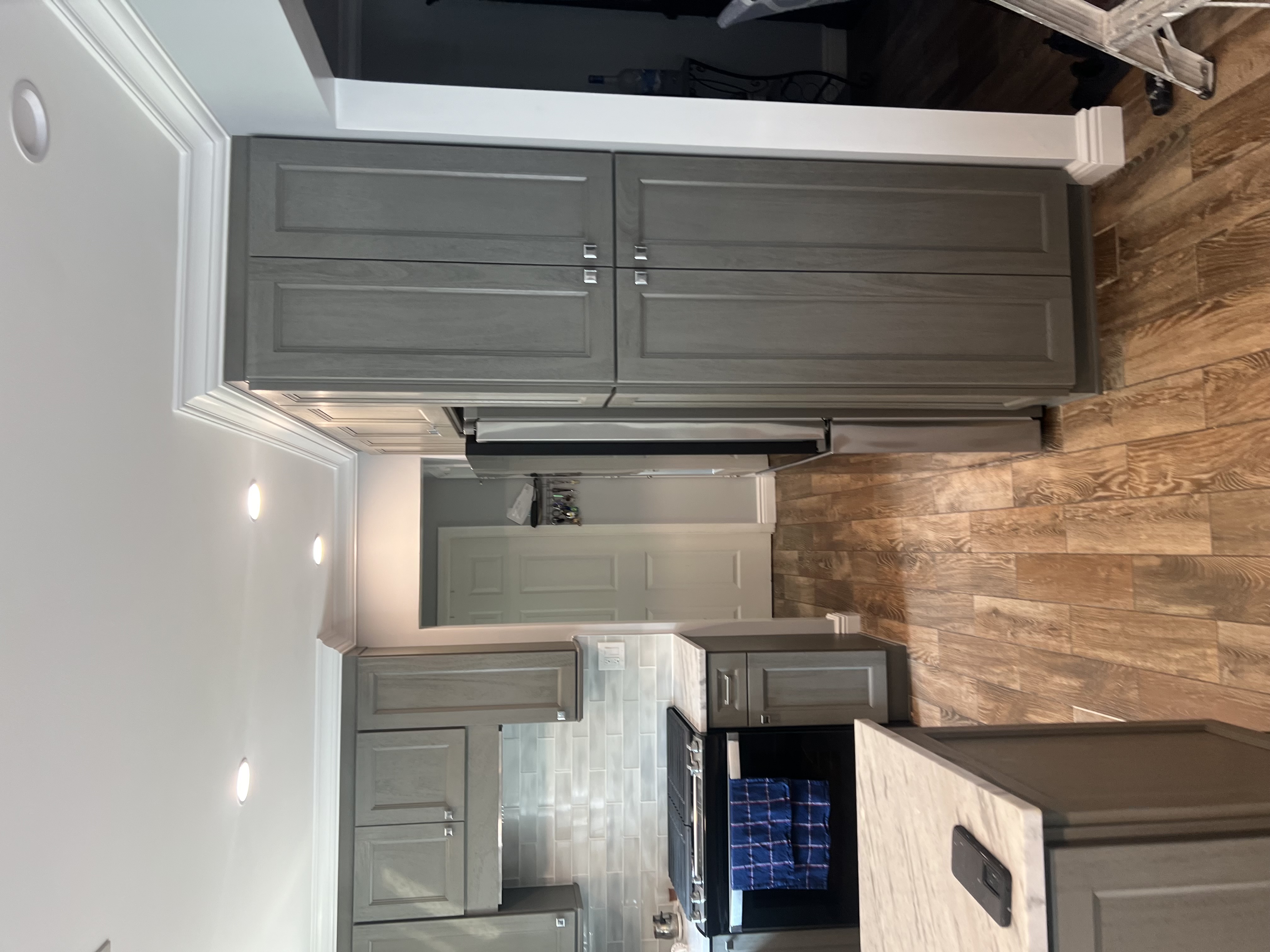
Two-tone kitchen cabinet ideas and color combinations for NJ homes. See which pairings work, which to avoid, and real costs for two-tone kitchen remodels in Monmouth County. Expert guide from Custom Kitchens by Lopez — 20+ years experience.
Plan Your ProjectView Our Work
Custom Kitchens by Lopez TeamApril 7, 202612 min read
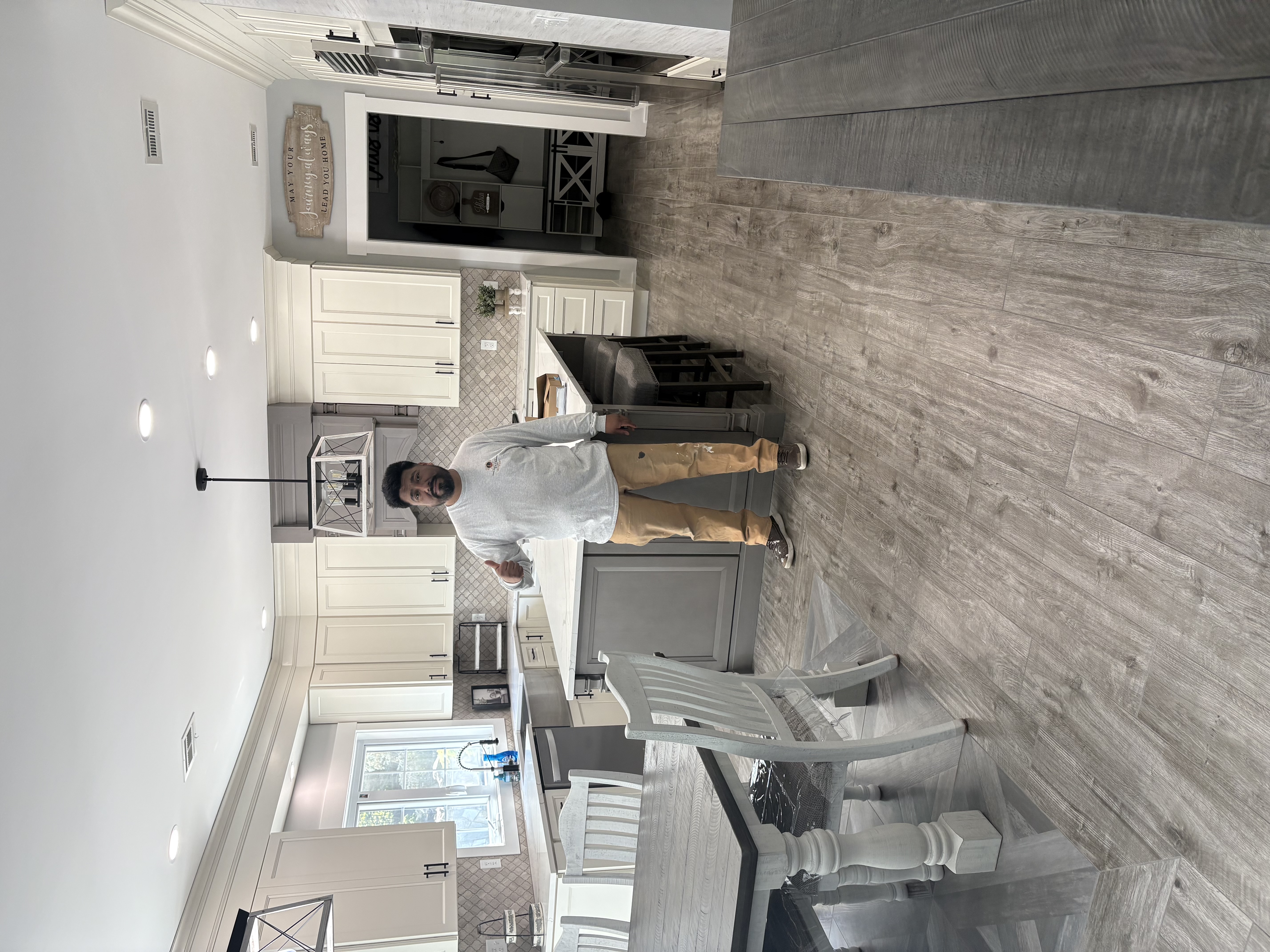
Two-Tone Kitchen Cabinet Ideas: NJ Color Combinations That Work
One cabinet color throughout the entire kitchen used to be the default. White cabinets everywhere. Oak cabinets everywhere. Cherry cabinets everywhere. That uniform approach still works for some kitchens, but the most interesting, most designed-looking kitchens in New Jersey right now use two tones — and they have for several years.
Two-tone kitchen cabinets are not a passing trend. They are a design technique that professional kitchen designers have used for decades: using different colors or finishes on different sections of the kitchen to create visual interest, define zones, and give the space a layered, custom quality that single-color kitchens cannot match.
After 20+ years of kitchen remodeling across Monmouth and Ocean Counties, two-tone cabinets now appear in roughly 60 percent of our full kitchen renovations. Here is everything NJ homeowners need to know about making two-tone work — which combinations look great, which look dated, and how to execute the approach without it feeling disconnected or forced.
What you will learn:
- The proven two-tone combinations that work in NJ kitchens
- Where to put each color (and why placement matters)
- The mistakes that make two-tone kitchens look wrong
- Real NJ pricing for two-tone cabinet projects
- How to match countertops, hardware, and backsplash to two colors
Considering two-tone cabinets? Schedule a free kitchen design consultation or call (732) 984-1043. We will help you choose the right combination for your kitchen, light conditions, and design goals.
Why Two-Tone Works (The Design Logic)
A two-tone kitchen is not about being trendy. It is about solving specific design problems that a single color cannot address.
It Creates Visual Hierarchy
Your eye needs places to land and rest in a room. A single color on every cabinet creates a uniform plane — nothing stands out, nothing recedes. Two tones create depth: the lighter color recedes (making the space feel open), while the darker or warmer color advances (creating a focal point). The island in a contrasting color becomes the visual anchor of the kitchen, drawing you in.
It Defines Functional Zones
A different color on the island separates the cooking and prep zone from the storage and perimeter zone. The contrast signals "this is a different area" without a physical barrier. In open-concept kitchens — where the kitchen flows into the living and dining areas — the contrasting island also helps define where the kitchen ends and the living space begins.
It Adds Personality Without Commitment
A fully sage-green kitchen is a bold commitment. A white kitchen with a sage-green island is a personality statement that does not overwhelm the room. Two-tone lets you introduce color, warmth, or drama in a controlled dose. If tastes change, you can repaint the island without touching the entire kitchen.
It Makes the Kitchen Feel Custom
Single-color kitchens, especially in stock or semi-custom cabinets, can look like they came from a catalog — because they did. Adding a second tone immediately signals intentional design. The kitchen was thought about, planned, and designed with purpose. That perception of custom quality adds real resale value in the NJ market.
The 10 Best Two-Tone Combinations for NJ Kitchens in 2026
1. White Perimeter + Natural Wood Island
The look: Bright white shaker cabinets on the perimeter with a natural white oak or walnut island. The wood grain adds organic warmth that prevents the white kitchen from feeling sterile or clinical.
Why it works: This is the most popular two-tone combination in the NJ market for good reason. The contrast between painted and natural surfaces creates rich textural interest. The wood island reads like a piece of furniture — a quality dining table or workbench that happens to be in the kitchen.
Best wood species: White oak (warm, contemporary, dominant in 2026), walnut (rich, dramatic, slightly more traditional), hickory (rustic grain, farmhouse-leaning).
Countertop pairing: White or light quartzite on the perimeter; matching quartzite OR butcher block on the island.
2. White Perimeter + Sage Green Island
The look: White shaker or flat-panel perimeter cabinets with an island in a soft sage green. The combination feels earthy, fresh, and distinctly current.
Why it works: Sage green is the "it" accent color for kitchens in 2026 — warm enough to feel inviting, cool enough to feel fresh, and sophisticated enough to not feel trendy. Against white cabinets, sage green creates just enough contrast without being dramatic.
Countertop pairing: White quartz or quartzite with soft gray veining. Butcher block is also beautiful here — the warm wood bridges the green and white tones.
3. White Perimeter + Navy Blue Island
The look: White upper and perimeter cabinets with a deep navy blue island. Classic, sophisticated, and proven.
Why it works: Navy blue provides strong contrast without feeling harsh. It grounds the kitchen, adds depth, and photographs beautifully. This combination has been popular for several years and remains a reliable choice — though it is slowly being overtaken by warmer options like wood and sage green.
Countertop pairing: White marble-look quartz or quartzite throughout. The white countertop on the navy island creates a crisp, tailored contrast. Brass hardware amplifies the sophistication.
4. White Perimeter + Charcoal/Dark Gray Island
The look: White perimeter cabinets with a deep charcoal or dark gray island. Sleek, modern, and high-contrast.
Why it works: Charcoal provides the strongest contrast of any popular two-tone combination — near-black on the island against white everywhere else. This creates a dramatic, contemporary kitchen that reads as intentionally designed. It works particularly well in modern and transitional kitchens.
Countertop pairing: White quartz or quartzite on the perimeter. For the island, either matching white (crisp contrast) or a honed black granite (tonal depth).
5. Cream/Warm White Perimeter + Charcoal Island
The look: Creamy, warm white cabinets (Benjamin Moore White Dove, Sherwin-Williams Alabaster) on the perimeter with a charcoal island. Softer and warmer than stark white and charcoal.
Why it works: The warm white takes the edge off the contrast. This combination feels sophisticated without feeling severe. It is particularly effective in NJ homes with warm-toned flooring, natural light, and traditional architecture.
Countertop pairing: Quartzite or quartz with warm undertones — Taj Mahal quartzite is spectacular with this combination.
6. Light Gray Perimeter + White Island
The look: Soft gray cabinets on the perimeter (think Revere Pewter, Agreeable Gray) with a bright white island. A reversed approach — the lighter color is on the island rather than the perimeter.
Why it works: The gray perimeter recedes into the walls while the white island pops forward as the focal point. This reversal works well in kitchens with limited natural light, where light-colored walls and a white island maximize brightness.
Countertop pairing: White quartz throughout, or white quartz on the island with a slightly warmer quartz on the gray perimeter.
7. White Perimeter + Hunter/Forest Green Island
The look: White cabinets with a deep, rich green island — not sage (which is soft) but hunter or forest green (which is saturated and dramatic).
Why it works: Deep green is the bolder cousin of sage green. It makes a statement without being shocking. The combination feels luxurious, especially with brass hardware and marble-look countertops. Hunter green on the island pairs beautifully with the wood and stone elements common in NJ kitchen designs.
Countertop pairing: White marble-look quartzite or quartz. Brass hardware is the ideal metal for this combination.
8. White Upper + Wood-Tone Lower
The look: White upper cabinets with natural wood lower cabinets throughout the kitchen (not just the island). The upper-lower split is the original two-tone approach.
Why it works: White uppers keep the eye-level view bright and open. Wood lowers add warmth at counter level where you interact with the kitchen most. This combination works particularly well in kitchens with windows — the white uppers maximize reflected natural light.
Countertop pairing: White or light quartz to bridge the transition between upper and lower tones.
9. Warm White Perimeter + Black Island
The look: Warm white perimeter with a true black island. The highest-contrast option.
Why it works: The black island becomes an unmistakable statement piece — a monolith in the center of the kitchen that demands attention. This works in larger kitchens (the island needs to be substantial enough to carry the visual weight of black). In smaller kitchens, black can feel heavy.
Countertop pairing: White quartz or quartzite on both perimeter and island. The white countertop on the black island creates the most striking visual contrast in the room.
10. Light Wood Perimeter + Dark Wood Island
The look: Light natural wood (white oak, maple) on the perimeter with a darker wood (walnut, dark-stained oak) on the island. An all-wood two-tone kitchen.
Why it works: This is the organic, Scandinavian-influenced approach. No paint, no artificiality — just two natural wood tones creating warmth and contrast. It works beautifully in modern and contemporary kitchens, especially those with strong natural light.
Countertop pairing: White quartz or light concrete for a clean contrast. Or honed marble for a warmer feel.
Where to Put Each Color (Placement Rules)
The placement of your two tones matters as much as the colors themselves. Get the distribution wrong and the kitchen feels random, not designed.
Rule 1: The Island Gets the Accent Color
In 80 percent of two-tone kitchens, the island is the contrasting color and the perimeter cabinets are the neutral. The island is a natural focal point — centered in the room, visible from every angle, and functionally distinct from the perimeter cabinets. Giving it the accent color reinforces its importance.
Rule 2: Lighter Color on Upper Cabinets
If you split upper and lower cabinets into two tones (instead of perimeter vs. island), the lighter color always goes on top. Dark upper cabinets visually lower the ceiling and make the kitchen feel smaller. Light uppers reflect light and create a sense of height.
Rule 3: Limit the Second Tone to 30-40% of the Cabinetry
The accent color should feel intentional, not equal. A 50/50 split between two colors creates visual confusion — the eye cannot decide which is the primary and which is the accent. Aim for 60-70 percent primary color (usually the lighter tone on the perimeter) and 30-40 percent accent color (usually on the island plus perhaps a pantry tower or bar cabinet).
Rule 4: Connect With a Unifying Element
The two colors need a bridge — something that appears in both sections and ties them together. The most effective bridges:
- Countertop material — same material on both the perimeter and island
- Hardware finish — same pulls and knobs throughout
- Backsplash — one continuous backsplash treatment on the perimeter
- Flooring — one floor that runs under and around both cabinet zones
Two-Tone Mistakes to Avoid
Mistake 1: Too Many Colors
Two tones. Not three. Not four. Adding a third cabinet color (sage green island, white perimeter, AND a blue pantry) creates visual chaos. If you want additional color, introduce it through accessories, hardware, or backsplash — not a third cabinet color.
Mistake 2: Colors That Fight
The two tones should complement, not compete. Cool gray and warm cream fight each other. Olive green and navy blue fight each other. The easiest test: put a sample of each color side by side. Do they look intentional together? Or do they look like they came from different kitchens?
Mistake 3: Wrong Undertones
The most common technical mistake. Both colors must share the same undertone family — both warm, both cool, or both neutral. White with blue undertones paired with a cream with yellow undertones looks wrong. A warm white (cream family) paired with a warm navy (slightly green undertones) looks right. This is where seeing physical samples in your kitchen's light conditions is essential.
Mistake 4: Equal Distribution
A 50/50 split between two colors looks like a mistake, not a design decision. The visual hierarchy must be clear: one dominant color, one accent.
Mistake 5: Ignoring the Rest of the Kitchen
Two-tone cabinets do not exist in isolation. The countertop, backsplash, flooring, hardware, and appliances all interact with both cabinet colors. A beautiful white-and-navy cabinet combination looks wrong with the wrong countertop or hardware finish. Design the full palette — all elements, both tones — before ordering cabinets.
NJ Cost Guide for Two-Tone Kitchen Cabinets
Two-tone cabinets cost more than single-color because of the additional finish, the design coordination, and the quality control required to ensure both colors are executed consistently.
| Cabinet Level | Single Color | Two-Tone | Premium |
|---|---|---|---|
| Stock | $10,000-$16,000 | $12,000-$20,000 | +15-20% |
| Semi-custom | $15,000-$28,000 | $18,000-$35,000 | +15-20% |
| Custom | $25,000-$45,000 | $30,000-$55,000 | +10-20% |
Why custom two-tone has a smaller premium: Custom cabinet shops already handle color matching and finish coordination as standard practice. The premium for a second color is mostly additional material and labor. Stock and semi-custom lines charge more because two-tone orders are outside their standard production flow.
Total two-tone kitchen remodel costs in NJ:
- Mid-range two-tone kitchen: $50,000-$75,000
- Premium two-tone kitchen: $75,000-$110,000+
These costs include cabinets, countertops, backsplash, hardware, lighting, flooring, and installation. For a more detailed cost breakdown, see our kitchen remodeling cost guide.
How to Get Started With Two-Tone Cabinets
- Gather inspiration. Collect photos of two-tone kitchens you like. Notice which combination appears most often in your favorites.
- Evaluate your space. Consider your kitchen's size, natural light, existing flooring, and architectural style.
- Get physical samples. Never choose cabinet colors from a screen. Get actual door samples and view them in your kitchen's lighting at different times of day.
- Design the full palette. Cabinet colors, countertop, backsplash, hardware, and flooring should all be selected together — not sequentially.
- Consult a professional. A 30-minute design consultation with an experienced kitchen remodeler saves you from expensive color mistakes.
Ready to design your two-tone kitchen? Schedule your free in-home consultation or call us at (732) 984-1043. We will bring samples to your kitchen, evaluate your lighting and space, and help you choose the two-tone combination that makes your kitchen look custom-designed.
Custom Kitchens by Lopez has been designing and building two-tone kitchens across Monmouth and Ocean Counties for over 20 years. We know which combinations work in NJ homes — in NJ light conditions, with NJ architectural styles, and at NJ price points. 46 five-star reviews from homeowners who trusted us with their kitchens.
We serve Freehold Township, Holmdel, Colts Neck, Marlboro, Manalapan, Middletown, Red Bank, Rumson, and all surrounding communities.
*Custom Kitchens By Lopez is a licensed NJ Home Improvement Contractor (HIC #13VH04175700) based in Freehold Township. We specialize in kitchen remodeling, bathroom remodeling, custom cabinetry, and general contracting across Monmouth County and Ocean County, NJ.*
Planning a Complete Kitchen?
See how CKL plans custom cabinetry, premium materials, and $75,000+ kitchen projects.
Ready to start your project?
Related Services
Kitchen Remodeling Near MeCustom Kitchen CabinetsCountertop InstallationKitchen Backsplash Installation
5 Rating(46+ reviews)
Ready to Plan the Complete Kitchen?
Move from product research to a complete design plan. See real CKL kitchens, the decisions that define luxury work, and the $75,000–$150,000+ planning range.
Explore Luxury KitchensCall 732.984.1043
Licensed & Insured20+ Years ExperienceLuxury kitchens from $75,000
Local Services
Kitchen Remodeling FreeholdKitchen Remodeling EdisonKitchen Cabinets FreeholdKitchen Cabinets EdisonMonmouth County Kitchen Remodeling
Popular Service Areas
Holmdel, NJColts Neck, NJRumson, NJMarlboro, NJShrewsbury, NJMiddletown, NJRed Bank, NJFreehold, NJSpring Lake, NJManalapan, NJ
Ready to start your project?
Get a free, no-obligation quote today.
5 (46+ reviews)
Category
Kitchen Design# Coffee Bar Ideas: Designs + What It Costs to Build One (NJ 2026)# Green Kitchen Cabinets: The Complete Guide to Shades, Pairings, Paint & Cost
More Articles
Ready to Start Your Project?
Request a private design consultation for your substantial kitchen, bath, cabinetry, or whole-home project.