
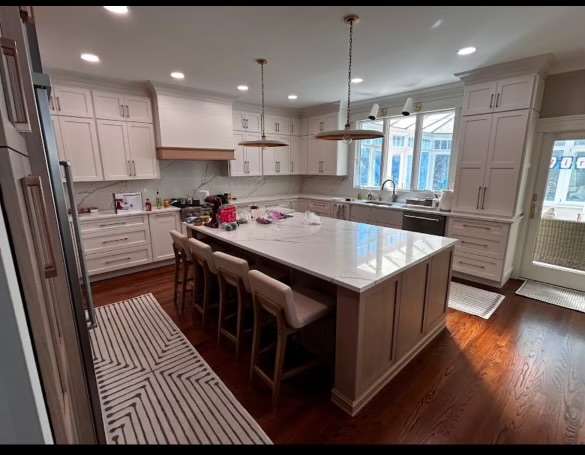
Renovating a kitchen in a historic New Jersey home? Learn how to honor period architecture while adding modern functionality. Expert guidance for Red Bank, Fair Haven, and beyond.
Plan Your ProjectView Our Work
Enrique LopezJanuary 11, 202611 min read
Historic Home Kitchen Renovation in NJ: Preserving Character While Adding Modern Function
Historic homes possess soul—architectural details, craftsmanship, and stories that mass-produced modern houses simply can't replicate. But their kitchens often lag decades behind contemporary needs.
Monmouth County treasures some of New Jersey's finest historic architecture. Red Bank's Victorian masterpieces. Fair Haven's Colonial Revival estates. Rumson's grand oceanfront manors. These homes deserve kitchen renovations that honor their heritage while delivering 21st-century functionality.
After 20+ years renovating kitchens across Central New Jersey—including dozens of historic properties from the 1800s through mid-20th century—we've mastered the delicate balance between preservation and modernization.
This comprehensive guide covers everything you need to know about historic kitchen renovation: understanding your home's architectural period, deciding what to preserve and what to change, integrating modern appliances and functionality, navigating historic district regulations, and finding contractors who respect historic architecture.
Whether your home dates from the Victorian era or Mid-Century Modern period, you'll learn how to create a kitchen that honors the past while embracing the present.
Understanding Your Home's Architectural Period
Why Period Matters
Every architectural era had distinct kitchen characteristics. Understanding your home's period guides design decisions that feel authentic rather than arbitrary.
Victorian/Queen Anne (1880-1910)
- Original Kitchens: Separate from main house (heat/smells/servants), basic functionality, minimal cabinetry, freestanding furniture pieces
- Materials: Natural wood, plaster walls, simple tile, hardwood or tile floors
- Modern Approach: Rich wood cabinets, period-appropriate hardware, traditional details (crown molding, raised panels), marble or soapstone counters
Colonial Revival (1900-1930)
- Original Kitchens: Still separate or semi-separate, butler's pantries common, built-in cabinetry emerging
- Materials: Painted wood, beadboard, subway tile, hardwood floors
- Modern Approach: White or painted cabinets, shaker-style doors, classic subway tile backsplash, marble or quartz counters, farmhouse sink
Tudor Revival (1920s-1930s)
- Original Kitchens: Integrated into home, more designed (not just functional), dark wood common
- Materials: Dark-stained wood, heavy timber accents, stone or tile, leaded glass
- Modern Approach: Dark wood cabinets, iron or black hardware, stone counters, exposed ceiling beams
Mid-Century Modern (1950s-1960s)
- Original Kitchens: Open to dining/living, built-in appliances, color and pattern
- Materials: Wood cabinets (often teak or walnut), laminate counters, linoleum floors, colorful tile
- Modern Approach: Flat-panel wood cabinets, retro appliances or integrated modern, minimal hardware, terrazzo or quartz counters
Research Your Home:
- Check county records (build date, original owners)
- Examine architectural details (moldings, windows, doors)
- Look for original features (built-ins, floor plans)
- Consult local historical societies
Knowing your home's period informs every design decision—from cabinet style to hardware finishes.
What to Preserve vs. What to Change
Assessing Existing Conditions
Not everything in a historic kitchen is worth saving. Some elements are genuinely historic and architecturally significant. Others are 1980s updates that add no value.
Definitely Preserve:
Original Architectural Elements:
- Crown molding, baseboards, window/door casings
- Wainscoting, beadboard, or decorative wall treatments
- Original hardwood floors (refinish, don't replace)
- Tin ceilings or decorative plaster
- Built-in cabinetry (butler's pantries, dish cupboards)
- Original windows (repair rather than replace)
- Exposed beams or brick
Period-Appropriate Features:
- Farmhouse sinks (especially original porcelain)
- Antique lighting fixtures
- Original door and cabinet hardware
- Unique period details (servants' bells, dumbwaiters, pot racks)
Consider Preserving:
- Vintage tile (if in good condition and period-appropriate)
- Original layout (if functional)
- Cabinets (if structurally sound, can be replaced or repainted)
Usually Replace:
- 1970s-1990s updates (outdated and not historic)
- Damaged materials beyond repair
- Seriously outdated appliances (safety concerns)
- Cabinets with particle board boxes (not worth saving)
- Laminate countertops (not period-appropriate, limited lifespan)
Document Everything: Take photos before demolition. You may discover original finishes under layers of paint or tile. Sometimes what looks like junk is actually valuable original material.
Period-Appropriate Design Choices
Cabinet Styles by Era
Victorian/Queen Anne Kitchens:
- Style: Rich, dark-stained wood (cherry, walnut, oak)
- Doors: Raised panel, ornate details
- Hardware: Brass or bronze knobs and bin pulls
- Details: Decorative corbels, turned posts, crown molding
- Avoid: Stark white, ultra-modern flat panels
Colonial Revival/Craftsman Kitchens:
- Style: Painted cabinets (white, cream, soft gray) OR natural wood
- Doors: Shaker-style (simple, functional), beadboard inserts
- Hardware: Simple knobs and cup pulls, iron or nickel
- Details: Glass-front uppers, plate racks, open shelving
- Avoid: Ornate Victorian details, ultra-contemporary
Tudor Revival Kitchens:
- Style: Dark-stained wood (oak primary), heavy and substantial
- Doors: Recessed or flat panels, simple styling
- Hardware: Iron or black metal, simple shapes
- Details: Exposed ceiling beams, stone or brick accents
- Avoid: Light woods, delicate details
Mid-Century Modern Kitchens:
- Style: Flat-panel doors, horizontal grain, natural wood (teak, walnut) OR two-tone
- Doors: Slab (flat panel), minimal or no hardware
- Hardware: Integrated pulls, horizontal bar pulls, or none
- Details: Clean lines, minimal ornamentation, geometric patterns
- Avoid: Traditional raised panels, ornate moldings
Countertop Materials
Period-Appropriate Options:
Marble (All eras, especially Victorian-1930s)
- Classic, timeless, elegant
- Carrara, Calacatta for white marble
- Honed finish for softer look
- Maintenance: requires sealing, stains
Soapstone (Victorian, Colonial Revival, Farmhouse)
- Dark gray-green, develops patina
- Extremely durable, heat-resistant
- Period-appropriate for old homes
- Maintenance: oil occasionally for even color
Butcher Block (All eras, especially Colonial/Craftsman)
- Warm, natural, traditional
- Functional (cutting surface)
- Can be refinished endlessly
- Maintenance: oil regularly, refinish scratches
Quartz (Modern convenience, traditional look)
- Engineered stone (low maintenance)
- Choose patterns resembling marble or natural stone
- Avoid ultra-modern patterns (concrete look, bright colors)
- Maintenance: none
Granite (Neutral option)
- Natural stone, proven durability
- Choose subtle patterns (not busy, tropical varieties)
- Endless options
- Maintenance: seal annually
Avoid:
- Laminate (dated, not period-appropriate)
- Ultra-modern porcelain slabs (too contemporary)
- Concrete (unless Mid-Century Modern home)
Backsplash Choices
Classic Options:
Subway Tile (1900s-present)
- White 3x6" subway tile in running bond pattern
- Timeless, appropriate for Colonial Revival onward
- Pairs with any cabinet color
- Grout: white or light gray
Marble Slab (Victorian, Colonial Revival)
- Extend marble countertop up wall
- Classic, elegant, simple
- No grout lines
Beadboard (Colonial Revival, Cottage, Farmhouse)
- Painted white or cream
- Casual, traditional, charming
- Protect with clear sealer
Decorative Tile (Victorian, Tudor)
- Reproduction Victorian encaustic tile
- Hand-painted ceramic tile (Arts & Crafts patterns)
- Delft-style tiles
Stone or Brick (Tudor, Farmhouse)
- Natural stone (slate, limestone)
- Exposed brick (if original to home)
Avoid:
- Glass tile (too contemporary for most historic homes)
- Trendy geometric patterns (hexagons, fish scale, chevron)
- Metallic tiles
- Ultra-modern large-format tile
Flooring
Period-Appropriate Choices:
Original Hardwood (Refinish if possible)
- THE best option if it exists
- Refinish (sand and re-stain or paint)
- Repair damaged sections
- Cost: $3-$6 per square foot refinishing
Wide-Plank Wood (If original is beyond repair)
- Reproduction wide planks (5-8" width)
- Oak, pine, or reclaimed wood
- Natural or period-appropriate stain
- Cost: $8-$15 per square foot installed
Natural Stone Tile (Appropriate for many eras)
- Marble, slate, limestone
- Historic homes often had stone kitchen floors
- Durable, timeless
- Cost: $12-$25 per square foot installed
Ceramic Tile (Early 20th century onward)
- Reproduction period patterns
- Small hexagonal tiles (Victorian, early 1900s)
- Classic checkerboard (black and white)
- Cost: $8-$18 per square foot installed
Linoleum (Not vinyl—actual linoleum)
- Appropriate for 1900s-1960s homes
- Natural material (linseed oil, cork dust)
- Available in period patterns
- Cost: $10-$20 per square foot installed
Avoid:
- Luxury vinyl plank (too modern-looking)
- Laminate flooring
- Ultra-contemporary tile (large format, geometric)
Integrating Modern Appliances
The Challenge
Modern kitchens require refrigerators, dishwashers, microwaves, and powerful ranges. Historic kitchens didn't. The trick is integrating these necessities without compromising period character.
Refrigerator Solutions
Panel-Ready Built-In Refrigerators (Best Option)
- Refrigerator hidden behind custom cabinet panels
- Completely disappears into cabinetry
- Brands: Sub-Zero, Thermador, KitchenAid
- Cost: $8,000-$15,000+
Freestanding Refrigerators with Vintage Styling
- Retro designs (Big Chill, Smeg, Elmira Stove Works)
- Replicate 1950s aesthetics with modern function
- Available in colors (red, blue, mint, cream, black)
- Cost: $3,000-$6,000
Counter-Depth Stainless (If budget limited)
- Choose counter-depth (less obtrusive)
- Stainless steel finish (neutral)
- Position in less-prominent location
- Cost: $2,000-$4,000
Avoid:
- Standard-depth refrigerators jutting into room
- Overly modern French-door styles with screens and technology
Range/Cooktop
Vintage-Style Ranges (Period-Appropriate Appearance)
- Big Chill (1950s styling, modern function)
- Elmira Stove Works (replicates antique ranges)
- BlueStar (customizable, professional performance)
- Available in colors and finishes matching your home's era
- Cost: $4,000-$8,000+
Professional-Style Ranges (If vintage aesthetic doesn't fit)
- Avoid overly commercial appearance (exposed knobs, heavy grates)
- Choose cleaner, more residential styling
- Brands: Wolf, Viking, Thermador
- Cost: $5,000-$12,000+
Traditional Range with Modern Internals
- Classic appearance (white or black)
- Modern convection, self-cleaning features
- Cost: $1,500-$3,000
Dishwasher
Panel-Ready Dishwasher (Best Option)
- Hidden behind cabinet panel matching surrounding cabinets
- Completely invisible
- Brands: Bosch, KitchenAid, Thermador
- Cost: $1,200-$2,500
Under-Counter Placement
- If not panel-ready, place in less-visible location
- Choose quieter models (Bosch, Miele)
- Stainless finish blends better than white/black
Microwave
Avoid Over-Range Microwaves
- Overly modern, visually jarring
- Blocks range hood design opportunity
Better Options:
- Microwave drawer (hidden under counter)
- Built into cabinet (looks like cabinet door)
- In pantry or butler's pantry (out of main kitchen sight)
- Omit entirely (controversial, but some historic purists skip microwaves)
Range Hood
Custom Hood (Best Option)
- Wood hood matching cabinets
- Plaster hood (for Mediterranean/Spanish/Tudor styles)
- Copper hood (for Arts & Crafts/Craftsman)
- Hides modern ventilation inside period-appropriate exterior
Avoid:
- Stainless steel commercial hoods (unless Mid-Century Modern home)
- Glass and stainless contemporary hoods
Layouts and Floor Plans
Respecting Original Proportions
Historic homes have room proportions developed over centuries. Kitchens shouldn't violate these.
If Original Kitchen Is Intact:
- Consider keeping footprint
- Update within existing walls
- Maintain window and door locations
- Preserve architectural features
If Kitchen Needs Expansion:
- Annex adjacent spaces (pantries, mudrooms, porches)
- Avoid removing load-bearing walls if possible
- Maintain ceiling height consistency
- Keep additions in character with original architecture
The Butler's Pantry Question
Many historic homes have butler's pantries—small rooms between kitchen and dining room with cabinetry, sink, and storage.
Preserve If:
- Original to the home
- Functional and well-located
- Adds storage and prep space
- Maintains period character
Modify If:
- Creates inefficient workflow
- Too small to be functional
- Blocking better kitchen layout
- Not original (later addition)
Many homeowners combine kitchen and butler's pantry into one larger kitchen while preserving the butler's pantry's architectural features (built-in cabinetry, doorways, moldings).
Historic District Regulations
Red Bank, Fair Haven, and Beyond
Some Monmouth County municipalities have designated historic districts with additional regulations:
Red Bank Historic District:
- Covers portions of downtown and residential areas
- Historic Preservation Commission reviews exterior changes
- Submit plans for windows, doors, rooflines, materials visible from street
- Interior work generally doesn't require historic commission approval
- Standard building permits still required
Fair Haven:
- Some properties individually landmarked
- Historic Preservation Commission review for significant exterior changes
- Check with borough before planning major changes
Rumson, Little Silver, Other Towns:
- May have individually designated historic properties
- Check with local building department
What Triggers Historic Commission Review:
- Exterior changes visible from public street
- Window or door replacement
- Roofline modifications
- Siding or exterior material changes
What Usually Doesn't:
- Interior-only kitchen renovations
- Mechanical systems (HVAC, plumbing, electrical)
- Repairs matching original materials
Process:
- Research if property is in historic district or individually designated
- Contact local building department
- If historic review required, submit plans to Historic Preservation Commission
- Attend hearing (present renovation plans)
- Receive approval (may have conditions)
- Proceed with standard building permits
Timeline: Add 4-8 weeks to project timeline if historic commission approval required.
Finding the Right Contractor
Historic Home Experience Essential
Not all contractors understand historic properties. Poor choices lead to irreversible damage.
What to Look For:
Proven Historic Renovation Experience
- Portfolio of historic kitchen projects
- References from historic homeowners
- Understanding of period architecture
Respect for Original Materials
- Repair-first mentality (not default to replacement)
- Salvages original elements when possible
- Sources period-appropriate materials
Problem-Solving Skills
- Historic homes are never square, level, or standard
- Existing conditions require creative solutions
- Experience working around surprises (hidden chimneys, old wiring)
Licensed and Fully Insured
- General Contractor license (not just home improvement)
- Comprehensive liability insurance
- Workers' compensation
Questions to Ask:
- How many historic home kitchens have you renovated?
- Can I see before/after photos and visit completed projects?
- How do you approach preserving original elements?
- What challenges do you anticipate with my home's age?
- Do you handle historic district approvals and permitting?
- What happens when you encounter unexpected conditions?
Red Flags:
- "Easier to just tear it all out and start fresh"
- No historic renovation portfolio
- Unfamiliar with period architecture
- Reluctant to provide references
- Pushes ultra-modern design in historic home
Budget Expectations
Historic Premium
Renovating historic kitchens costs 15-30% more than standard remodels:
Why Historic Costs More:
- Existing conditions (plaster walls, uneven floors, outdated wiring/plumbing)
- Preservation and restoration (refinishing floors, repairing plaster, restoring windows)
- Custom millwork (matching period details, trim, moldings)
- Specialized skills (contractors experienced with old homes)
- Higher-quality materials (period-appropriate rather than cheapest available)
- Unexpected discoveries (hidden chimneys, settling, previous alterations)
Budget Ranges:
Respectful Mid-Range Renovation: $60,000 - $90,000
- Period-appropriate cabinets (stock or semi-custom)
- Quality countertops (quartz or granite)
- Standard appliances (tastefully integrated)
- Refinish existing floors
- Preserve architectural elements
- Minor layout modifications
High-End Restoration: $90,000 - $140,000
- Custom cabinets (period-accurate reproductions)
- Premium materials (marble, soapstone, wide-plank wood)
- Panel-ready appliances or vintage-style ranges
- Restore original elements (floors, windows, plaster)
- Thoughtful layout improvements
- Custom millwork and details
Museum-Quality Luxury: $140,000 - $250,000+
- Fully custom cabinetry (hand-crafted, period-perfect)
- Highest-end materials (book-matched marble, reclaimed wood)
- Premium integrated appliances
- Extensive restoration work
- Structural improvements (foundation, joists, walls)
- Architectural consultation
Contingency Budget: Always include 15-20% contingency for unexpected conditions (old homes always have surprises).
Custom Kitchens by Lopez: Historic Home Specialists
We've renovated historic kitchens across Monmouth County since 2005—Victorian mansions, Colonial Revival estates, Tudor cottages, and Mid-Century Modern homes.
Our Approach to Historic Kitchens:
- Research your home's architectural period
- Identify and document original elements worth preserving
- Design period-appropriate solutions (not cookie-cutter modern)
- Source materials that honor your home's era
- Execute with craftsmanship matching original builders
- Navigate permitting and historic district approvals
What We Bring: ✓ 20+ years experience (dedicated master craftsmen) ✓ Historic renovation expertise (Red Bank, Fair Haven, Rumson, and beyond) ✓ Licensed General Contractor #13VH04175700 (complete project management) ✓ Custom cabinetry (period-appropriate designs built to your specifications) ✓ Preservation mindset (repair first, replace only when necessary) ✓ 5.0 Google rating (excellence verified by discerning homeowners)
Schedule Your Free Historic Kitchen Consultation
Call us today: 732.984.1043
Related Resources
Historic Town Service Areas:
Custom Kitchens by Lopez | NJ License #13VH04175700 | Since 2005 | Family Owned | 5.0★ Google Rating
*Honoring historic architecture through thoughtful kitchen renovations since 2005*
Planning a Complete Kitchen?
See how CKL plans custom cabinetry, premium materials, and $75,000+ kitchen projects.
Ready to start your project?
Related Services
Kitchen Remodeling Near MeBathroom Remodeling Near MeHome Remodeling NJGeneral Contractor NJ
5 Rating(46+ reviews)
Ready to Plan the Complete Kitchen?
Move from product research to a complete design plan. See real CKL kitchens, the decisions that define luxury work, and the $75,000–$150,000+ planning range.
Explore Luxury KitchensCall 732.984.1043
Licensed & Insured20+ Years ExperienceLuxury kitchens from $75,000
Local Services
Kitchen Cabinets FreeholdKitchen Cabinets EdisonKitchen Cabinets ManalapanKitchen Remodeling FreeholdKitchen Remodeling EdisonBathroom Remodeling FreeholdMonmouth County Kitchen Remodeling
Popular Service Areas
Holmdel, NJColts Neck, NJRumson, NJMarlboro, NJShrewsbury, NJMiddletown, NJRed Bank, NJFreehold, NJSpring Lake, NJManalapan, NJ
Ready to start your project?
Get a free, no-obligation quote today.
5 (46+ reviews)
Category
Remodeling Tips# 12 Costly Kitchen Remodeling Mistakes (And How to Avoid Them)# Kitchen and Bathroom Remodel Planning Guide | Tips & Timeline
More Articles
Ready to Start Your Project?
Request a private design consultation for your substantial kitchen, bath, cabinetry, or whole-home project.