
See real kitchen remodel before and after transformations from New Jersey homes. From dated oak to modern white, closed-off to open concept, and small galley to spacious L-shape. Custom Kitchens by Lopez — 20+ years, 46 five-star reviews.
Plan Your ProjectView Our Work
Custom Kitchens by Lopez TeamApril 7, 202612 min read
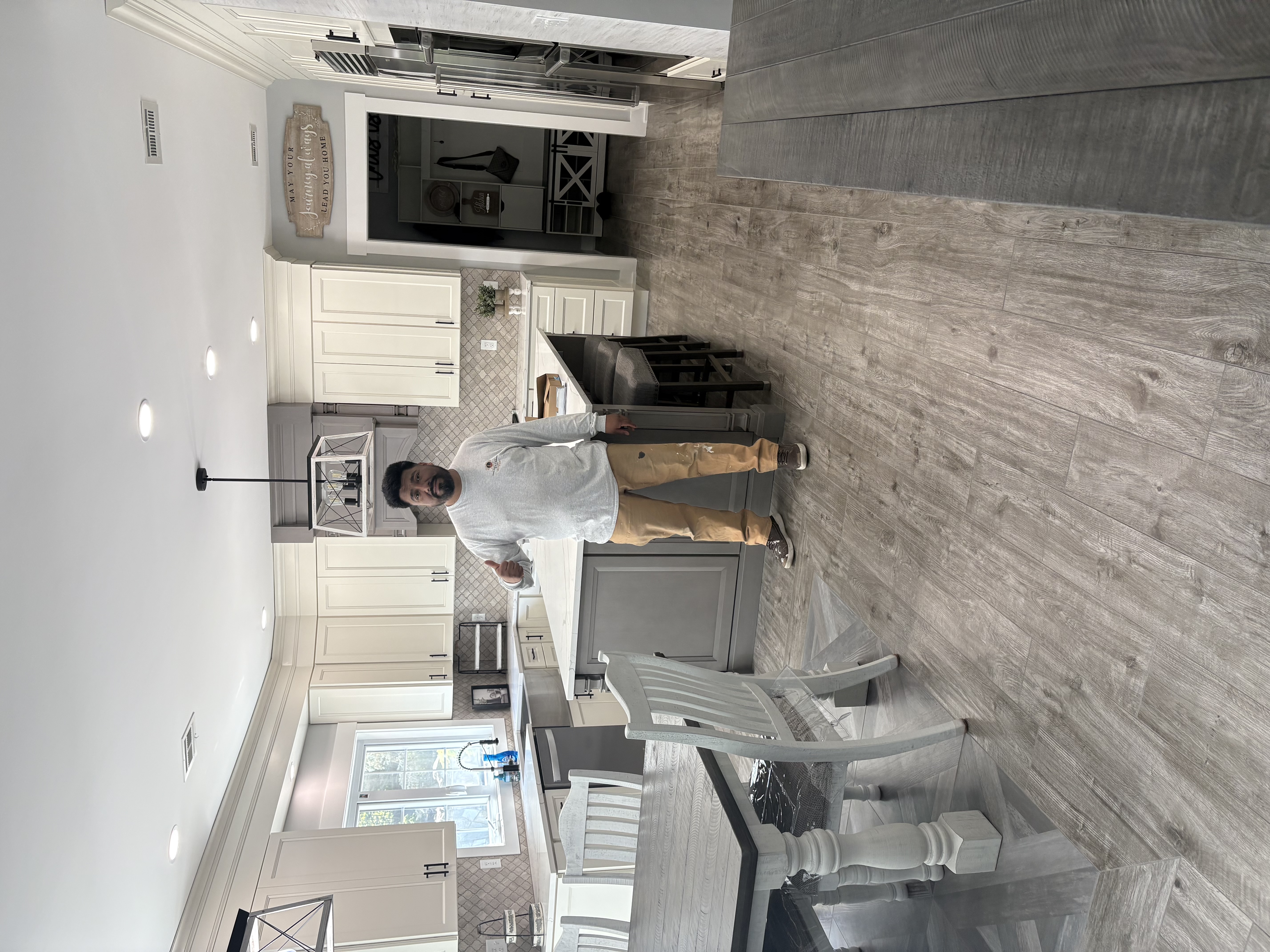
Kitchen Remodel Before and After: NJ Transformation Gallery
Nothing captures the impact of a kitchen remodel like seeing the before and after side by side. The dated oak cabinets, the cracked laminate countertops, the dim fluorescent lighting — transformed into a space that actually makes you want to cook, entertain, and spend time in your kitchen.
After 20+ years of kitchen remodeling across Monmouth and Ocean Counties, we have transformed hundreds of NJ kitchens from every era — 1970s split-levels, 1980s colonials, 1990s McMansions, and 2000s tract homes. Every kitchen has its own challenges. Every transformation tells a story.
Here are the kinds of transformations we deliver every month for NJ homeowners. Each scenario represents a type of kitchen we encounter regularly, the specific problems homeowners face, and exactly how a professional remodel solves them.
What you will see:
- Six real transformation scenarios from common NJ kitchen types
- The specific problems in each "before" kitchen
- The design decisions that drove each "after" result
- Cost ranges for each type of transformation
- Lessons you can apply to your own kitchen
Want to see what your kitchen could look like? Schedule a free in-home consultation or call (732) 984-1043. We will assess your space and show you the possibilities.
Transformation 1: Dated Oak to Modern White — The Classic NJ Colonial
The Before
A 1990s colonial in Middletown with the kitchen every Monmouth County homeowner recognizes. Honey oak cabinets with cathedral-arch raised panel doors. Tan granite countertops with a rolled edge. Beige ceramic tile backsplash in a 4x4 grid. Fluorescent box light in the center of the ceiling. The kitchen was functional but felt dark, heavy, and dated by 20 years.
The cabinets were solid — structurally sound with dovetail joints and full-extension drawers. But the orange-toned oak finish and ornate door profile screamed 1995. The granite countertops had been acceptable a decade ago but the color and edge profile no longer matched contemporary taste. The lighting was the biggest functional problem: a single fluorescent fixture casting flat, unflattering light across the entire space.
The Transformation
Cabinets: The existing frames were in excellent condition, so we offered two options. The homeowner chose full replacement with shaker-style cabinets in bright white with soft-close hinges and drawers. The 42-inch uppers extended to the ceiling, adding 30 percent more storage and eliminating the dust-collecting dead space above the old cabinets.
Countertops: Calacatta quartz with a dramatic gray-and-gold vein pattern on a clean eased edge. The quartz countertops provided the marble aesthetic the homeowner wanted without the sealing and staining concerns.
Backsplash: Large-format white porcelain tile (4x12) in a vertical stack bond pattern. Clean, modern, and a deliberate departure from the dated small-tile grid.
Lighting: Removed the fluorescent box and installed six recessed LED downlights across the ceiling, under-cabinet LED strips illuminating the countertops, and two brushed nickel pendant lights over the breakfast bar. The lighting transformation alone made the kitchen feel twice as large.
Flooring: Light gray luxury vinyl plank replaced the dated ceramic tile. Warmer underfoot, easier to maintain, and visually expansive.
The Result
The kitchen went from dark and dated to bright, airy, and contemporary. The white cabinets reflect light throughout the room. The quartz countertops add sophistication without the maintenance of natural stone. And the layered lighting creates ambiance that the old fluorescent never could.
Investment: $52,000 — $58,000 Timeline: 8 weeks Best for: 1985-2005 colonials and center-hall homes with structurally sound but dated kitchens
Transformation 2: Closed-Off to Open Concept — The Wall Comes Down
The Before
A 1985 colonial in Manalapan where the kitchen was completely enclosed — walls on all four sides separating it from the dining room and family room. The kitchen had decent cabinets and adequate counter space, but the homeowners felt isolated when cooking. During parties, the cook was trapped in the kitchen while everyone else gathered in the family room.
The pass-through window between the kitchen and dining room (a common 1980s compromise) helped slightly but still maintained the separation. The galley-style workflow was efficient for one cook but created bottlenecks when anyone else entered the space.
The Transformation
Structural change: Removed the wall between the kitchen and family room. Our structural engineer confirmed it was load-bearing, so we installed a flush-mounted steel beam (LVL beam) that carries the load invisibly within the ceiling plane. This is the most common structural modification we do in Monmouth County homes — and the most transformative.
New layout: With the wall gone, we reconfigured to an open L-shape with a 9-foot island facing the family room. The island serves triple duty: food prep workspace, casual dining with four counter stools, and the visual bridge between the kitchen and living space.
Cabinets: Warm white shaker uppers on the back wall, navy blue base cabinets and island for a two-tone approach. The contrast grounds the kitchen visually while the white uppers keep the expanded space feeling bright.
Countertops: White quartzite with subtle gray veining on the perimeter. A dramatic waterfall edge on the island creates a furniture-quality focal point visible from the family room.
Appliances: A 36-inch range replaced the standard 30-inch, anchoring the back wall. The refrigerator was relocated to create a more efficient work triangle with the new island sink.
The Result
The kitchen went from a separate room to the center of the home. The cook is part of the conversation. Kids do homework at the island while dinner is prepared. The family room and kitchen function as one unified living space. Every homeowner who does this says the same thing: "Why did we wait so long?"
Investment: $72,000 — $85,000 (including structural beam) Timeline: 10-12 weeks Best for: 1980s-1990s homes with enclosed kitchens and adjacent family or living rooms
Transformation 3: Galley to L-Shape With Island — The Small Kitchen Expansion
The Before
A galley kitchen in a 1970s split-level in Freehold Township. Two parallel runs of cabinets with a narrow 36-inch walkway between them. The kitchen was technically functional but felt cramped, dark, and claustrophobic. Two people could not work in the space simultaneously. There was no room for an island, no counter seating, and no connection to the adjacent dining area.
The cabinets were original to the house — flat-front oak with exposed hinges and no soft-close. The countertops were worn laminate. The lighting was a single ceiling fixture. The flooring was vinyl sheet that had yellowed with age.
The Transformation
Layout change: We removed the wall between the kitchen and the adjacent dining area, converting the galley into an L-shape. This added 60 square feet to the kitchen footprint and created room for a 6-foot island with seating for three.
Cabinets: Full custom white shaker cabinets with soft-close everything. Deep drawers replaced lower cabinets for better organization. A tall pantry cabinet on the end wall added storage that the original galley lacked. Corner cabinets got lazy Susans — no more dead corner space.
Countertops: Gray quartz throughout — durable, stain-resistant, and the perfect complement to white cabinets. An overhang on the island provides comfortable seating space.
Backsplash: White zellige tile in a warm cream tone with handmade texture. The irregularity adds character and warmth to the all-white cabinetry.
Lighting: A complete lighting overhaul — recessed ceiling lights, under-cabinet LED task lighting, and two pendant lights over the island. The combination eliminated the dark shadows that made the old galley feel cave-like.
The Result
The kitchen doubled in usable space. The island provides the prep surface, seating, and storage that the galley never had. The open connection to the dining area makes the kitchen feel like part of the home instead of a utility corridor. The homeowner went from dreading cooking to hosting dinner parties.
Investment: $48,000 — $58,000 Timeline: 8-10 weeks Best for: 1960s-1980s split-levels and ranches with narrow galley kitchens
Transformation 4: Builder-Grade to Custom — The McMansion Upgrade
The Before
A 2005 colonial in Marlboro with the classic builder-grade kitchen. Cherry-stained raised-panel cabinets (the ubiquitous early-2000s style), granite countertops with a busy pattern, a tumbled stone backsplash in earth tones, and stainless steel appliances. Nothing was broken. Everything was mediocre.
The layout was actually good — a generous L-shape with a large island, plenty of counter space, and a logical work triangle. But the materials and finishes made the kitchen feel dark, heavy, and generic. It looked like every other kitchen in the development.
The Transformation
Cabinets: Replaced the cherry cabinets with flat-panel cabinets in a matte warm white finish. The clean, minimal door profile modernized the entire kitchen without changing the layout. We kept the existing layout because it already worked well — no reason to waste money moving things that function correctly.
Countertops: Replaced the busy granite with a clean white quartzite with soft, minimal veining. The visual calm of the new countertops versus the old granite was the single biggest aesthetic improvement.
Backsplash: Full-height slab backsplash matching the quartzite countertops. The stone runs from countertop to the bottom of the upper cabinets in one uninterrupted surface — no grout lines, no tile, just stone. This is the backsplash trend that signals "custom kitchen" in 2026.
Hardware: Brushed brass pulls and knobs throughout — a warm metallic that contrasts beautifully with the white cabinets and adds a layer of sophistication the chrome hardware never provided.
Island: Painted the island in a deep charcoal gray while keeping perimeter cabinets white. This two-tone approach gives the island a furniture-quality presence and creates a focal point in the room.
The Result
Same layout, completely different kitchen. The dark, generic builder-grade kitchen became a bright, sophisticated custom space. The lesson: you do not always need to move walls or change layouts. Sometimes the biggest transformation comes from upgrading materials and finishes in a layout that already works.
Investment: $62,000 — $72,000 Timeline: 7-9 weeks Best for: 2000s-2010s homes with good layouts but dated builder-grade materials
Transformation 5: Small Kitchen Maximization — Making Every Inch Count
The Before
A 10x10 kitchen in a Cape Cod-style home in Colts Neck. The kitchen was small by any standard — 100 square feet — and the existing layout wasted what little space was available. A full-size refrigerator jutted out past the cabinets. The dishwasher was positioned so its open door blocked the walkway. Cabinet uppers stopped 12 inches below the ceiling, wasting valuable storage space. A small table crammed into the corner served as the only eating area.
The Transformation
Layout optimization: We redesigned the work triangle to minimize wasted movement. The refrigerator moved to a recessed niche in the wall (we stole 6 inches from an adjacent closet), creating a flush installation that no longer blocked the flow. The dishwasher relocated next to the sink for ergonomic dish loading.
Cabinets: Custom 42-inch upper cabinets extending to the ceiling captured the wasted space above the old cabinets — adding roughly 40 percent more storage. Deep drawers in the base cabinets replaced shelved cabinets. A pull-out pantry (6 inches wide) fit into a previously dead space next to the refrigerator. For more ideas on maximizing small kitchens, see our dedicated small kitchen guide.
Countertops: White quartz with a clean eased edge. Light colors and minimal pattern make the small space feel larger. A narrow butcher block breakfast bar replaced the table, seating two on stools while saving 10 square feet of floor space.
Backsplash: Large-format white tile in a horizontal brick-lay pattern. Horizontal lines visually widen the space. Light color reflects natural light from the window.
Lighting and color: Light gray walls, white cabinets, light countertops, and recessed LED lighting work together to make the 100-square-foot kitchen feel significantly larger than it is. Under-cabinet lights eliminate shadows on the work surface.
The Result
The kitchen is the same 100 square feet — but it feels and functions like 130. Every inch is optimized. Storage increased 40 percent. The workflow is intuitive. The breakfast bar provides casual seating without consuming floor space. Small kitchens do not need to feel small — they need to be designed intelligently.
Investment: $35,000 — $45,000 Timeline: 6-7 weeks Best for: Cape Cods, older colonials, and condos with small kitchens (under 120 sq ft). See our 10x10 kitchen cost breakdown for detailed budgeting.
Transformation 6: Outdated Eat-In Kitchen to Entertainer's Dream
The Before
A 1995 colonial in Holmdel with a large eat-in kitchen that never lived up to its potential. The kitchen was big — 250 square feet — but the space was poorly divided. A large round kitchen table occupied the "eat-in" area (roughly 80 square feet of the kitchen), leaving the actual cooking zone feeling average despite the generous overall footprint. The cabinets were medium oak with a clear coat that had yellowed. The countertops were dated Corian in a solid beige. The lighting was two fluorescent tubes under a soffit.
The Transformation
Reimagined layout: We removed the eat-in table concept entirely and extended the cabinetry and countertop workspace into the former dining area. A 10-foot island with waterfall ends replaced the table — seating five on the outer side while providing 30 square feet of additional prep surface on the working side.
Cabinets: Inset shaker cabinets in a warm putty finish (not white, not gray — a warm neutral that photographs beautifully and feels sophisticated in person). Glass-front uppers on the display wall showcase dishware and stemware. A custom beverage station with an under-counter wine cooler, coffee machine niche, and glassware storage anchors the entertainment zone.
Countertops: Quartzite on the perimeter in a white-with-gray-vein pattern. The island gets a contrasting Absolute Black honed granite for visual drama and a surface that hides every crumb and fingerprint during parties.
Appliances: A 48-inch professional range with double ovens became the centerpiece of the back wall. Custom paneled refrigerator and dishwasher integrate seamlessly with the cabinetry.
Lighting: A complete custom lighting plan — recessed ambient lights, under-cabinet task lights, in-cabinet display lights, and a statement linear chandelier over the island that draws the eye and defines the space.
The Result
The kitchen went from "big but boring" to the room where everyone gathers. The oversized island is the social hub — guests sit on one side with wine while the host cooks on the other. The beverage station lets guests serve themselves without entering the work zone. The former eat-in area that wasted 80 square feet now functions as premium kitchen workspace and entertaining space.
Investment: $90,000 — $110,000 Timeline: 11-14 weeks Best for: Homes with large kitchens (200+ sq ft) that are underutilized or poorly laid out. See our custom kitchen entertaining design guide for more ideas.
What Every Before-and-After Transformation Has in Common
Across hundreds of NJ kitchen remodels, the transformations that create the most dramatic before-and-after results share these elements:
1. Light Changes Everything
Every transformation above involved a dramatic improvement in lighting — from single fixtures to layered systems with recessed, task, under-cabinet, and decorative lighting. Kitchen lighting design is the most underestimated upgrade in a remodel. It is also one of the most affordable relative to its impact.
2. Layout Matters More Than Materials
A $50,000 kitchen with a great layout will outperform a $75,000 kitchen with a poor layout every single time. Before choosing cabinets or countertops, get the layout right. The rest follows.
3. White and Light Colors Dominate
Not because they are trendy — because they work. Light colors reflect light, make spaces feel larger, photograph better for resale, and provide a neutral backdrop that accommodates changing tastes in accessories and decor. You can always add warmth with a wood island, warm hardware, or textured backsplash.
4. Storage Must Increase
Every successful before-and-after includes more storage than the original kitchen. Ceiling-height cabinets, deep drawers, pull-out organizers, and pantry solutions — these functional improvements are what homeowners actually live with daily, long after the novelty of new countertops fades.
5. Quality of Finish Separates Good From Great
The difference between a good remodel and a great one is in the details: flush cabinet doors, perfectly level countertop seams, clean grout lines, properly aligned hardware, and lighting that creates ambiance rather than just illumination. These details require an experienced installer — not a big box subcontractor or a handyman with a YouTube education.
Planning Your Own Kitchen Transformation
Every dramatic before-and-after starts with the same first step: an honest assessment of your current kitchen, your goals, and your budget.
Questions to answer before calling a contractor:
- What bothers you most about your current kitchen?
- Do you need more space, better flow, updated style, or all three?
- Is the layout fundamentally wrong, or do you just need new surfaces?
- What is your realistic budget range?
- Are you remodeling to stay or remodeling to sell?
Ready to start your transformation? Schedule your free in-home kitchen consultation or call us at (732) 984-1043. We will assess your kitchen, discuss your vision, and show you what is possible at your budget level. No obligation — just the information you need to make a confident decision.
Custom Kitchens by Lopez has been transforming NJ kitchens for over 20 years — from dated 1970s galley kitchens to builder-grade McMansion upgrades to luxury custom renovations. 46 five-star reviews from homeowners across Monmouth County.
We serve Freehold Township, Holmdel, Colts Neck, Marlboro, Manalapan, Middletown, Red Bank, Rumson, and all surrounding communities.
*Custom Kitchens By Lopez is a licensed NJ Home Improvement Contractor (HIC #13VH04175700) based in Freehold Township. We specialize in kitchen remodeling, bathroom remodeling, custom cabinetry, and general contracting across Monmouth County and Ocean County, NJ.*
Planning a Complete Kitchen?
See how CKL plans custom cabinetry, premium materials, and $75,000+ kitchen projects.
Ready to start your project?
Related Services
Kitchen Remodeling Near MeCustom Kitchen CabinetsCountertop InstallationKitchen Backsplash Installation
5 Rating(46+ reviews)
Ready to Plan the Complete Kitchen?
Move from product research to a complete design plan. See real CKL kitchens, the decisions that define luxury work, and the $75,000–$150,000+ planning range.
Explore Luxury KitchensCall 732.984.1043
Licensed & Insured20+ Years ExperienceLuxury kitchens from $75,000
Local Services
Kitchen Remodeling FreeholdKitchen Remodeling EdisonKitchen Cabinets FreeholdKitchen Cabinets EdisonMonmouth County Kitchen Remodeling
Popular Service Areas
Holmdel, NJColts Neck, NJRumson, NJMarlboro, NJShrewsbury, NJMiddletown, NJRed Bank, NJFreehold, NJSpring Lake, NJManalapan, NJ
Ready to start your project?
Get a free, no-obligation quote today.
5 (46+ reviews)
Category
Kitchen Design# Coffee Bar Ideas: Designs + What It Costs to Build One (NJ 2026)# Green Kitchen Cabinets: The Complete Guide to Shades, Pairings, Paint & Cost
More Articles
Ready to Start Your Project?
Request a private design consultation for your substantial kitchen, bath, cabinetry, or whole-home project.