
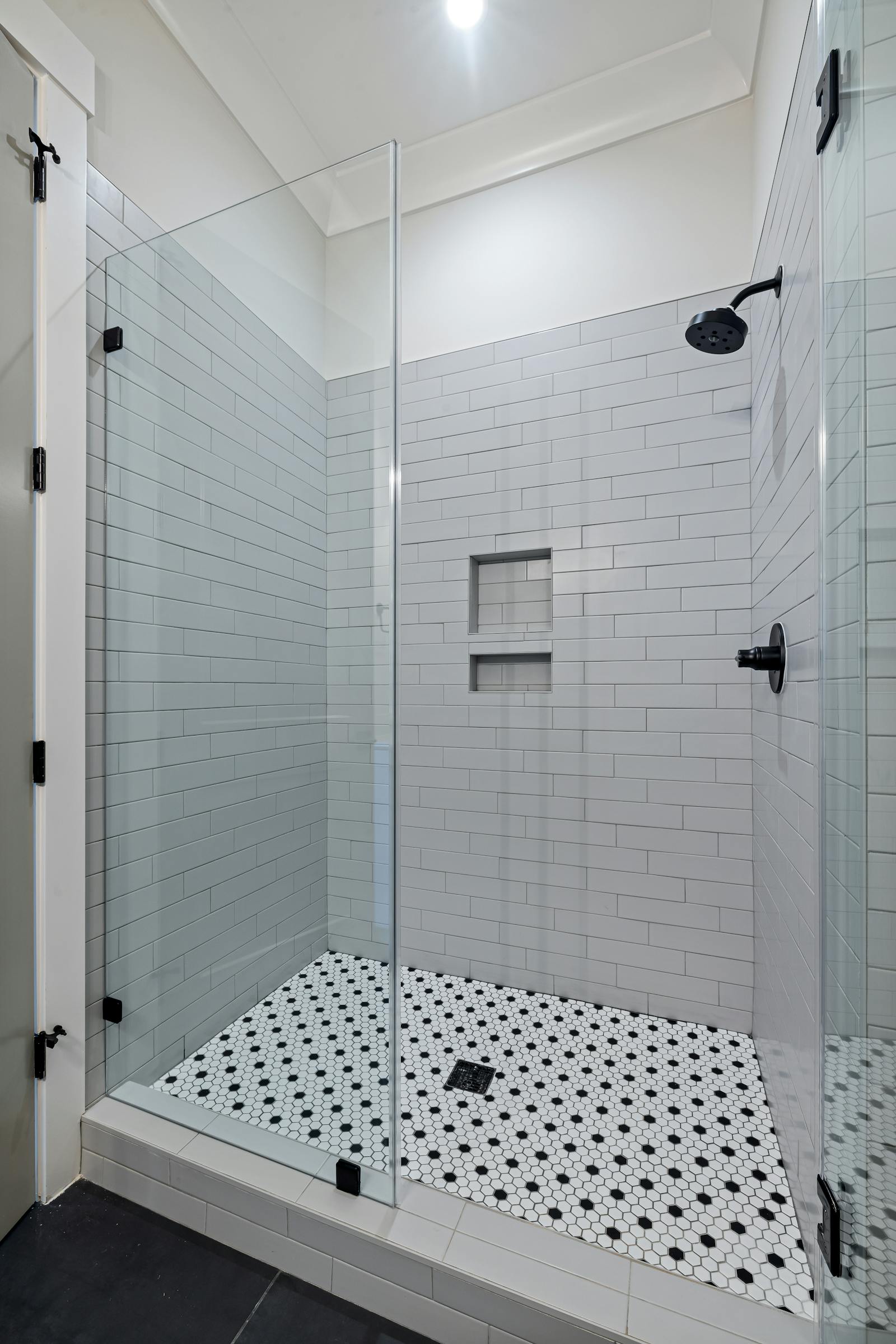
Discover everything you need to know about converting your bathtub to a walk-in shower in New Jersey. Expert cost breakdowns, timeline estimates, permit requirements, and design options from NJ's top-rated bathroom remodeling contractors.
Plan Your ProjectView Our Work
Enrique LopezJanuary 30, 202610 min read
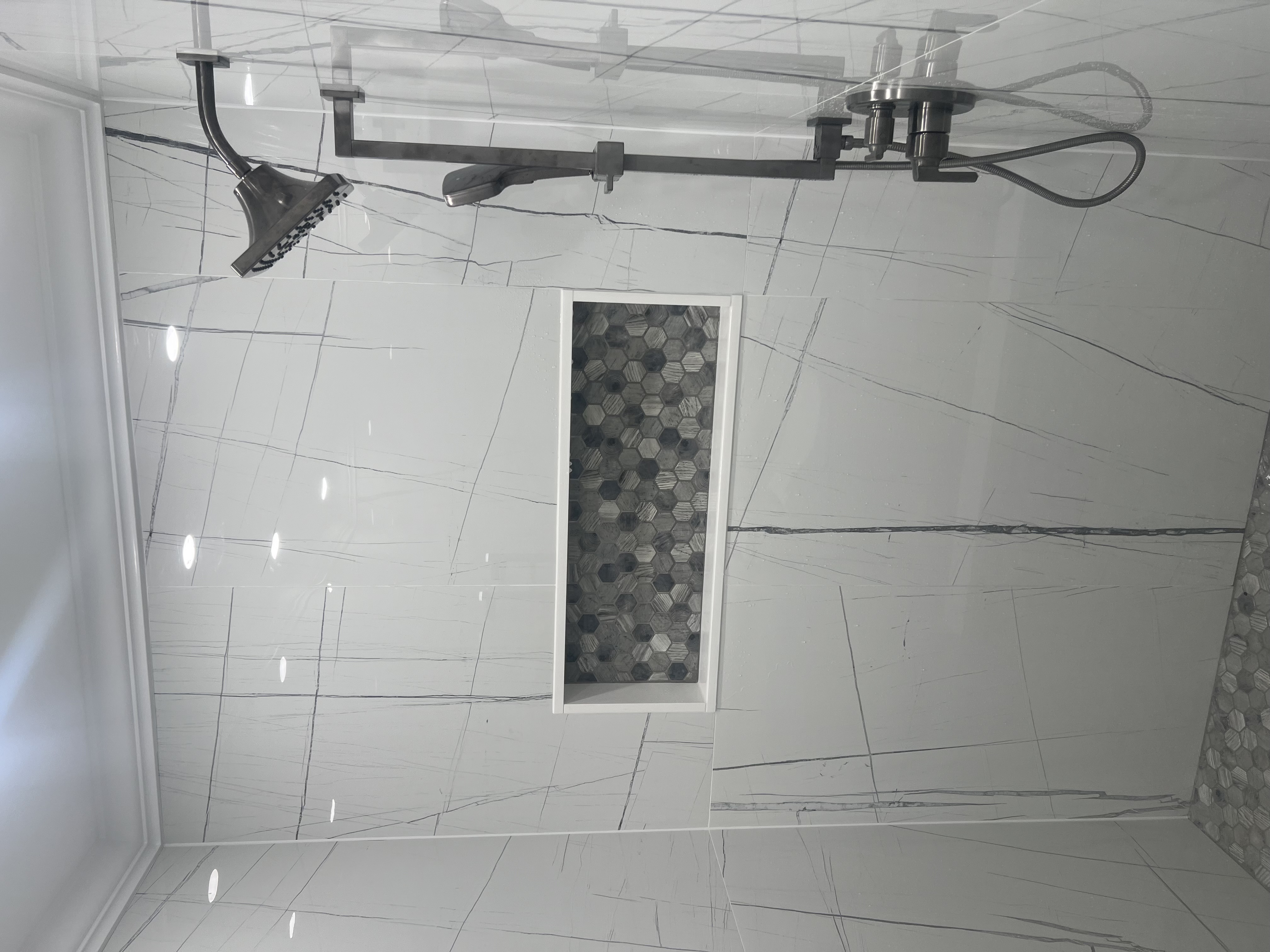
Tub to Shower Conversion in NJ: Complete Guide & Costs
Converting a bathtub to a walk-in shower is one of the most popular bathroom upgrades in New Jersey. Whether you're looking for improved accessibility, a more modern aesthetic, or simply prefer showers to baths, this comprehensive guide covers everything you need to know about tub to shower conversions in the Garden State.
After 20+ years of bathroom remodeling across Monmouth and Ocean Counties, we've helped hundreds of homeowners make this transformation. Here's our expert guidance on the process, costs, and considerations for your NJ home.
Why Convert Your Tub to a Shower?
Accessibility & Safety
The number one reason New Jersey homeowners convert tubs to showers is accessibility. Stepping over a high tub wall becomes increasingly difficult with age or mobility limitations. A walk-in shower conversion eliminates this barrier, reducing fall risk significantly.
Key accessibility benefits include:
- Zero-threshold (curbless) entry options
- Built-in grab bars for stability
- Shower bench seating for comfort
- Handheld showerheads for flexibility
- Non-slip flooring surfaces
For aging-in-place renovations, a tub to shower conversion is often the single most impactful change you can make.
Modern Aesthetic Appeal
Contemporary bathroom design favors spacious walk-in showers over traditional tub/shower combos. A well-designed shower conversion can:
- Make small bathrooms feel larger
- Create a spa-like atmosphere
- Update an outdated bathroom aesthetic
- Increase visual appeal to potential buyers
Space Optimization
Standard bathtubs consume significant floor space—typically 30" x 60". Converting to a shower allows you to:
- Add a larger shower enclosure
- Include built-in niches and storage
- Create a more open bathroom layout
- Add double showerheads or body sprays
Practical Daily Use
Many NJ homeowners simply don't use their tubs. If you take showers 99% of the time, why maintain a bathtub? A shower conversion:
- Reduces cleaning and maintenance
- Eliminates standing water concerns
- Provides a more efficient bathing experience
- Better suits busy lifestyles
Types of Tub to Shower Conversions
1. Prefabricated Shower Insert ($3,000-$5,000)
The most budget-friendly option, prefab inserts are one-piece or multi-piece acrylic or fiberglass units that fit into your existing tub space.
Pros:
- Lowest cost option
- Fastest installation (1-2 days)
- Minimal disruption
- Consistent quality
Cons:
- Limited design options
- Standard sizes only
- Can look basic
- Shorter lifespan than tile
Best for: Budget-conscious homeowners, rental properties, or quick updates.
2. Custom Tile Walk-In Shower ($6,000-$10,000)
The most popular choice for NJ homeowners, custom tile showers offer unlimited design possibilities.
Pros:
- Endless design options
- Premium appearance
- Long-lasting durability
- Adds significant home value
- Customizable sizing
Cons:
- Higher cost
- Longer installation (7-14 days)
- Requires skilled installation
- Grout maintenance needed
Best for: Homeowners wanting a lasting upgrade with design flexibility.
3. Luxury Walk-In Shower ($10,000-$15,000+)
Premium conversions with high-end features and finishes.
Features may include:
- Frameless glass enclosures
- Rainfall showerheads with body sprays
- Built-in bench seating
- Steam shower capability
- Heated floors
- Premium stone or large-format tile
- Curbless/barrier-free design
Best for: Master bathroom upgrades in upscale NJ communities like Rumson, Colts Neck, Spring Lake, and Holmdel.
Cost Breakdown for NJ Tub to Shower Conversions
Labor Costs in Monmouth & Ocean Counties
Licensed contractors in our area typically charge:
- General labor: $75-$150 per hour
- Plumber: $100-$175 per hour
- Electrician: $85-$150 per hour
- Tile installer: $15-$25 per square foot
Material Costs
Shower Base/Pan:
- Prefab acrylic: $200-$500
- Tile-ready pan: $300-$800
- Custom mortar bed: $500-$1,000
Wall Covering:
- Acrylic panels: $500-$1,500
- Ceramic/porcelain tile: $1,000-$3,000
- Natural stone: $2,000-$5,000+
Glass Enclosure:
- Framed door: $300-$800
- Semi-frameless: $600-$1,200
- Frameless: $1,000-$3,000
Fixtures:
- Standard showerhead: $50-$200
- Rainfall system: $200-$800
- Multi-head system: $500-$2,000
Total Project Costs
| Conversion Type | Material Cost | Labor Cost | Total Range |
|---|---|---|---|
| Basic Prefab | $1,000-$2,000 | $2,000-$3,000 | $3,000-$5,000 |
| Custom Tile | $2,000-$4,000 | $4,000-$6,000 | $6,000-$10,000 |
| Luxury | $4,000-$7,000 | $6,000-$8,000 | $10,000-$15,000+ |
The Conversion Process: What to Expect
Phase 1: Design & Planning (1-2 Weeks)
Before any work begins:
- Initial consultation and measurements
- Design selection (tile, fixtures, layout)
- Permit application submission
- Material ordering
Phase 2: Demolition (1 Day)
- Disconnect plumbing
- Remove existing tub and surround
- Dispose of old materials
- Assess subfloor condition
Phase 3: Plumbing Modifications (1-2 Days)
- Relocate drain if needed
- Install new valve and mixing controls
- Add additional water lines for features
- Rough-in inspection
Phase 4: Waterproofing & Installation (2-5 Days)
This critical phase ensures your shower won't leak:
- Install waterproof membrane (Kerdi, RedGard, etc.)
- Set shower pan or build mortar bed
- Apply tile backer board
- Install tile work
- Grout and seal
Phase 5: Finishing (1-2 Days)
- Install glass enclosure
- Mount fixtures and accessories
- Final plumbing connections
- Caulking and touch-ups
- Final inspection
Permit Requirements in New Jersey
Required Permits
Most NJ municipalities require:
- Plumbing permit: Required for drain relocation or new fixtures
- Electrical permit: Required if adding/moving outlets, fans, or lighting
- Building permit: Sometimes required for significant modifications
Permit Costs by Municipality
| Area | Typical Permit Cost |
|---|---|
| Freehold | $100-$200 |
| Rumson | $200-$400 |
| Holmdel | $150-$300 |
| Colts Neck | $150-$350 |
| Ocean Township | $100-$250 |
Inspection Process
Expect 2-3 inspections:
- Rough plumbing inspection
- Electrical rough-in (if applicable)
- Final inspection
Important: Always use licensed contractors who will pull proper permits. Unpermitted work can cause problems when selling your home.
Design Considerations for Your NJ Shower Conversion
Size Matters
Standard tub space (30" x 60") allows for:
- Comfortable single shower
- Built-in corner seat
- Recessed niche storage
Expanding beyond the tub footprint enables:
- Larger shower enclosure
- Multiple showerheads
- Full bench seating
- Partner shower space
Glass Enclosure Options
Frameless glass:
- Cleanest, most modern look
- Easiest to clean
- Premium cost
- Requires tempered safety glass
Semi-frameless:
- Good balance of style and value
- Metal frame on door only
- Popular choice for mid-range budgets
Framed:
- Most affordable
- More visible metal framing
- Various finish options
Tile Selection for NJ Climate
New Jersey's humid summers and cold winters require careful tile selection:
Best choices:
- Porcelain tile (lowest water absorption)
- Large format tiles (fewer grout lines)
- Matte or textured finishes (slip resistance)
Avoid:
- Unsealed natural stone
- Highly polished floors (slippery)
- Small mosaic on floors (too much grout)
Accessibility Features to Consider
Even if you don't need them now, consider:
- Blocking in walls for future grab bars
- Threshold-free design
- Handheld showerhead option
- Non-slip floor finish
Before & After: What to Expect
Common "Before" Scenarios
Most NJ tub to shower conversions start with:
- 1980s-2000s fiberglass tub surrounds
- Builder-grade tile with dated colors
- Cramped tub/shower combos
- Aging fixtures and grout
Typical "After" Results
- Spacious walk-in shower
- Modern tile in neutral tones
- Frameless or semi-frameless glass
- Rain showerhead with handheld
- Built-in niche storage
- Improved lighting
Should You Keep at Least One Tub?
This is a crucial consideration for NJ homeowners:
Keep a tub if:
- You have young children
- You're in your forever home
- It's your only bathroom
- You enjoy soaking baths
Converting is fine if:
- You have multiple bathrooms
- Children are grown or not planned
- You never use the tub
- Accessibility is a priority
Real estate perspective: Most NJ real estate agents recommend keeping at least one tub in homes marketed to families. However, in adult-focused communities or luxury markets, all-shower bathrooms are increasingly accepted.
Why Choose a Licensed NJ Contractor
Tub to shower conversions require:
- Licensed plumber for proper drainage
- Knowledge of NJ building codes
- Proper waterproofing techniques
- Permit acquisition and inspections
Risks of DIY or unlicensed work:
- Water damage from improper waterproofing
- Failed inspections
- Issues when selling your home
- No warranty protection
Ready to Convert Your Tub to a Walk-In Shower?
A tub to shower conversion is one of the best investments you can make in your New Jersey bathroom. Whether you're improving accessibility, updating your aesthetic, or simply preferring showers, the transformation adds daily value to your life.
At Custom Kitchens by Lopez, we've completed hundreds of tub to shower conversions across Monmouth and Ocean Counties. Our licensed team handles everything from design through final inspection.
Related Services
Custom Kitchens by Lopez | NJ License #13VH04175700 | Since 2005 | Family Owned | 5.0★ Google Rating
*Expert tub to shower conversions throughout Monmouth and Ocean Counties since 2005*
Thinking About a Remodel?
Get expert advice from our team — serving NJ since 2005.
Ready to start your project?
Related Services
Bathroom Remodeling Near MeWalk-In ShowersTile InstallationBathroom Vanities
5 Rating(46+ reviews)
Ready to Transform Your Space?
Our expert designers are ready to help bring your vision to life. Schedule your free consultation today and get a personalized quote for your project.
Request a Design ConsultationCall 732.984.1043
Licensed & Insured20+ Years ExperiencePrivate Consultations
Local Services
Bathroom Remodeling FreeholdMonmouth County Bathroom RemodelingBathroom Remodelers NJ
Popular Service Areas
Holmdel, NJColts Neck, NJRumson, NJMarlboro, NJShrewsbury, NJMiddletown, NJRed Bank, NJFreehold, NJSpring Lake, NJManalapan, NJ
Ready to start your project?
Get a free, no-obligation quote today.
5 (46+ reviews)
Category
Bathroom Design# Freestanding Tubs: Pros, Cons, Cost & Are They Worth It? (NJ 2026)# Shower Niche Ideas, Sizes, Cost & How to Avoid Leaks (NJ 2026)
More Articles
Ready to Start Your Project?
Request a private design consultation for your substantial kitchen, bath, cabinetry, or whole-home project.