
The honest pros and cons of soapstone countertops, real NJ installed costs ($70–$140/sq ft), the colors (and the truth about "white soapstone"), how it compares to quartz and granite, why it patinas, and how to care for it — from a 20-year Monmouth County countertop fabricator.
Plan Your ProjectView Our Work
Custom Kitchens by Lopez TeamJune 1, 202614 min read
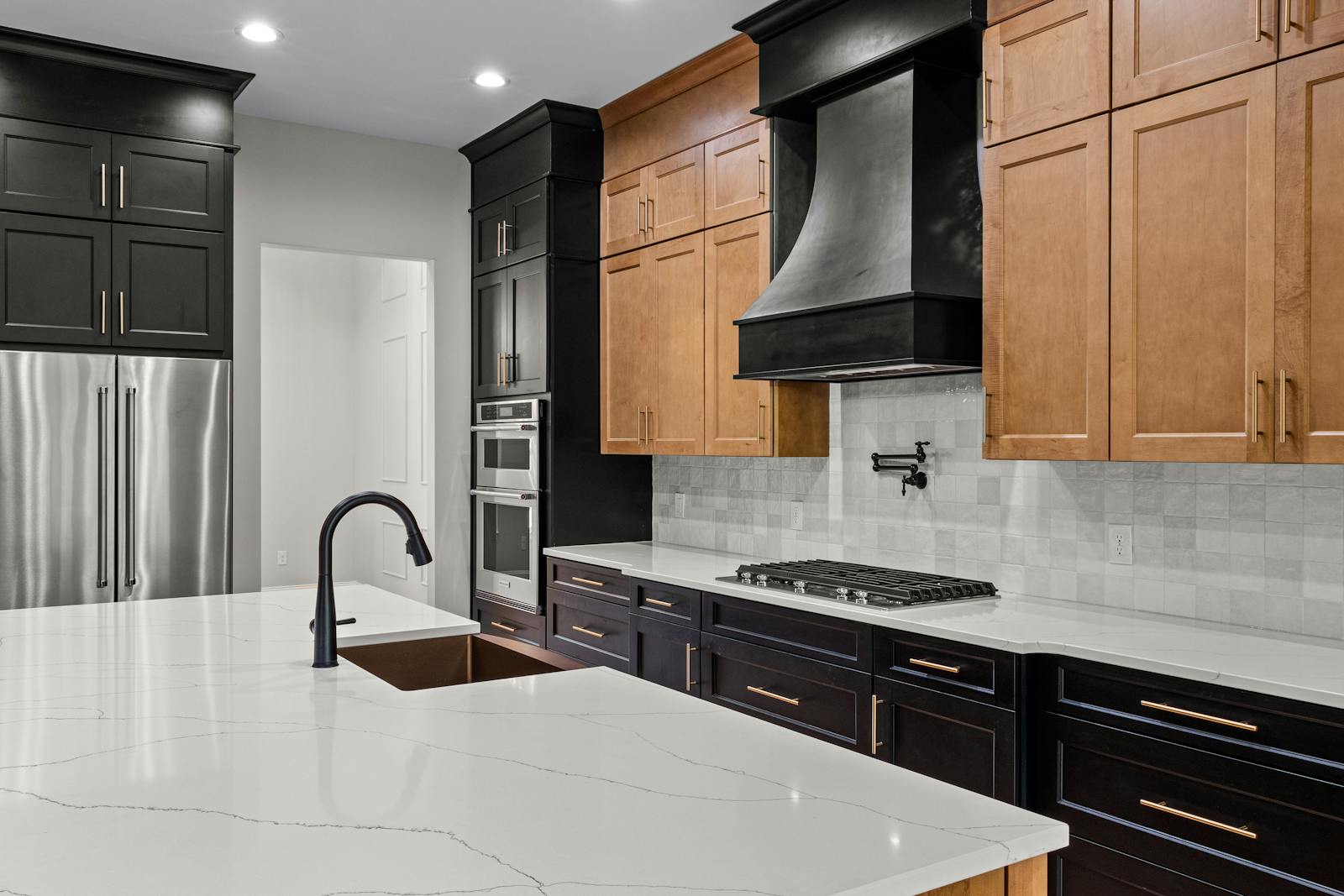
Considering soapstone?
We fabricate and install soapstone countertops across NJ
Custom Kitchens by Lopez has fabricated and installed natural-stone countertops — soapstone, granite, quartzite, and marble — throughout Monmouth, Ocean, and Middlesex County for 20+ years. We'll help you choose the right variety, edge, and finish, and install it level and seamless. NJ HIC #13VH04175700, NARI member.
Countertop InstallationExpert fabrication and installation of soapstone and natural stone.Kitchen RemodelingPlan a full kitchen remodel around a soapstone counter or island.Quartz CountertopsPrefer engineered stone? Compare quartz options and pricing.Custom CabinetryPair soapstone with custom cabinets for a true farmhouse or historic look.
Get a Free QuoteCall 732.984.1043
Soapstone Countertops: Pros, Cons, Cost & Colors (2026 NJ Guide)
Quick answer: Soapstone is a soft, non-porous natural stone in soft-gray to charcoal-black tones that's prized for being heat-proof, stain-proof, and acid-proof — and for developing a rich, living patina. It never needs sealing, and scratches can be sanded out at home. The trade-offs are its softness (it scratches and can chip) and limited color range. In NJ, expect roughly $70–$140 per square foot installed — comparable to mid-grade granite.
Soapstone is one of the most misunderstood countertops we install. People love the deep, soft, almost soulful look of it but worry it's "too soft," or they assume it stains like marble (it doesn't) or needs sealing like granite (it doesn't). After 20+ years fabricating and installing natural-stone countertops across Monmouth and Ocean County, here's the honest, fabricator's-eye guide: the real pros and cons, what soapstone costs in New Jersey, the colors, how it compares to quartz and granite, why it darkens, and how to live with it.
What is soapstone?
Soapstone is a natural metamorphic stone quarried in slabs, made up mostly of the mineral talc along with chlorite, magnesite, and dolomite. The talc is what gives it that distinctive soft, soapy, almost-warm feel under your hand — and also what makes it softer than other stone countertops.
There are two grades, and the difference matters:
- Artistic soapstone is very high in talc — soft enough to carve. It's used for sculptures and sinks, not countertops.
- Architectural soapstone has more hardening minerals and is the grade used for countertops. It's still softer than granite, but durable enough for daily kitchen use.
Reputable fabricators only sell architectural-grade soapstone for counters, so the "it's way too soft" fear is usually overblown — but it *is* softer than granite or quartz, and that shapes everything below.
Pros and cons of soapstone countertops
Pros
- Completely non-porous — it never needs sealing, won't stain, and doesn't harbor bacteria. This is its biggest practical advantage over granite and marble.
- Acid-proof — lemon juice, wine, vinegar, and tomato won't etch or dull it the way they ruin marble. A true cook's surface.
- Exceptionally heat-resistant — set a hot pot straight on it; it was historically used for woodstoves and lab benches.
- Repairable — light scratches blend into the patina, and deeper ones sand out and re-oil at home. No other stone lets you do this.
- Timeless, natural look — a soft matte depth that suits farmhouse, historic, and transitional kitchens beautifully.
- Low-maintenance — no sealing, ever; just everyday soap and water.
Cons
- Soft — it scratches and can dent or chip at edges more than granite or quartz.
- Limited color range — grays to charcoal-black only; no whites, no bold colors.
- Darkens over time — a pro for many, but you can't keep it permanently light.
- Edges and corners are vulnerable — a dropped pot can chip a corner.
- Can cost more than basic granite, and fewer fabricators carry and work with it.
The honest summary: soapstone trades hardness for character and worry-free maintenance. If you want a flawless, scratch-proof surface, it isn't for you. If you want a natural, hardworking stone that ages gracefully and shrugs off heat and stains, it's hard to beat.
How much do soapstone countertops cost in NJ? (2026)
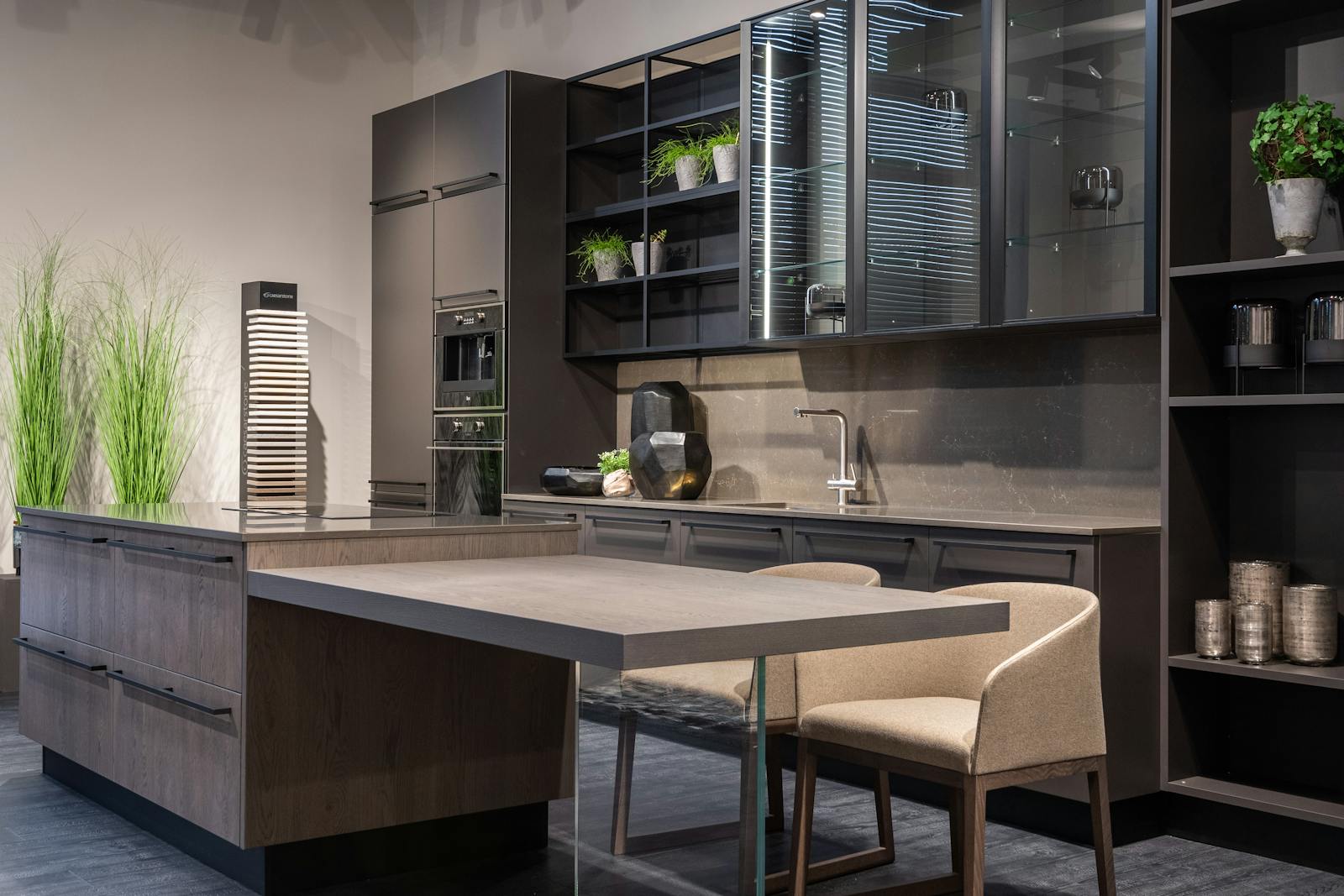
In New Jersey, soapstone runs roughly $70–$140 per square foot installed in 2026. For a typical kitchen that works out to about $3,500–$8,000 all-in, depending on size, layout, and details.
| Factor | Effect on price |
|---|---|
| Variety | Denser, more dramatically veined slabs cost more |
| Slab thickness | Thicker (3cm) slabs cost more than 2cm |
| Layout & cutouts | Islands, sink cutouts, and seams add fabrication labor |
| Edge profile | A simple eased edge is standard; ornate edges add cost |
| Quantity | More square footage spreads fixed costs, lowering the per-foot rate |
That places soapstone alongside mid-grade granite and below premium quartzite and marble. For the full picture of what other surfaces cost, see our kitchen countertop cost guide for NJ, granite countertop pricing by grade, and quartz countertop cost. If you're still deciding on a material entirely, start with our how to choose a countertop material guide.
Soapstone colors (and the truth about "white soapstone")
Soapstone's palette is narrow but beautiful. It runs from soft, light grays through medium gray-greens to deep charcoal and near-black, almost always with white, gray, or subtle green/blue veining. Lighter varieties tend to have more green undertones; darker ones read closer to black.
A few things to know:
- It darkens. Freshly cut soapstone looks lighter and chalkier than the rich, deep stone you see in finished kitchens. Exposure to use and oils — and especially mineral oil or wax — deepens it. The dark, soulful soapstone in design photos is the *patinated* or *oiled* version.
- "White soapstone" is mostly a myth. True soapstone doesn't come in bright white. When you see "white soapstone," it's usually a very light gray variety, or it's a dolomitic marble being marketed under the soapstone name (and that material is *not* non-porous and *will* etch). Ask your fabricator exactly what the slab is.
- Veining is natural and varies slab to slab — always pick your actual slab in person.
For how stone color plays into a whole-room palette, our granite countertop colors guide and 2026 countertop trends are useful companions.
Soapstone vs. quartz vs. granite vs. marble
The fastest way to know if soapstone is right for you is to see it next to the alternatives.
| Soapstone | Quartz | Granite | Marble | |
|---|---|---|---|---|
| Type | Natural stone | Engineered | Natural stone | Natural stone |
| Hardness | Soft | Hard | Hard | Soft–medium |
| Sealing | Never | Never | Periodic | Frequent |
| Heat resistance | Excellent | Poor (can scorch) | Excellent | Good |
| Stain resistance | Excellent (non-porous) | Excellent | Good (sealed) | Poor |
| Acid/etching | Won't etch | Won't etch | Won't etch | Etches easily |
| Scratches | Scratches (but buffs out) | Very resistant | Very resistant | Scratches |
| Colors | Grays to black only | Endless | Wide variety | Whites/veined |
| Look | Soft, matte, natural | Uniform, modern | Glossy, varied | Luxurious, veined |
The headline comparisons people search for:
- Soapstone vs. quartz: soapstone is natural, heat-proof, and develops a patina but is soft and gray-only; quartz is harder, comes in any color, but isn't heat-proof and looks engineered.
- Soapstone vs. granite: both are tough natural stone, but soapstone never needs sealing and won't etch, while granite is harder, more scratch-resistant, and far more varied in color.
- Soapstone vs. marble: not close for a working kitchen — marble etches and stains from everyday acids, while soapstone shrugs them off. Soapstone gives you a natural-stone look with none of marble's anxiety.
If you like natural character but want something even warmer, our butcher block countertops guide covers the other "develops-a-patina" option.
Why soapstone darkens — and how mineral oil works
This is the single most misunderstood thing about soapstone, so here's the plain version.
Soapstone naturally oxidizes and deepens with use. Where your hands, water, and cooking oils touch it most, it darkens first — which is why an un-treated soapstone counter can look blotchy early on. Mineral oil (or a soapstone wax) doesn't seal or protect anything — it simply darkens the whole surface evenly and instantly, jumping the stone to the rich, deep tone it would eventually reach on its own.
Two valid approaches:
- Oil it. Apply food-safe mineral oil, wipe off the excess, and repeat every week or two at first, then less often. You get an even, deep, dramatic look right away.
- Leave it natural. Skip the oil and let the stone patina slowly and unevenly over years. Some homeowners prefer this lived-in, matte character.
Either way, it's a cosmetic choice, not a maintenance requirement — the stone is fully functional with or without oil.
Caring for soapstone countertops
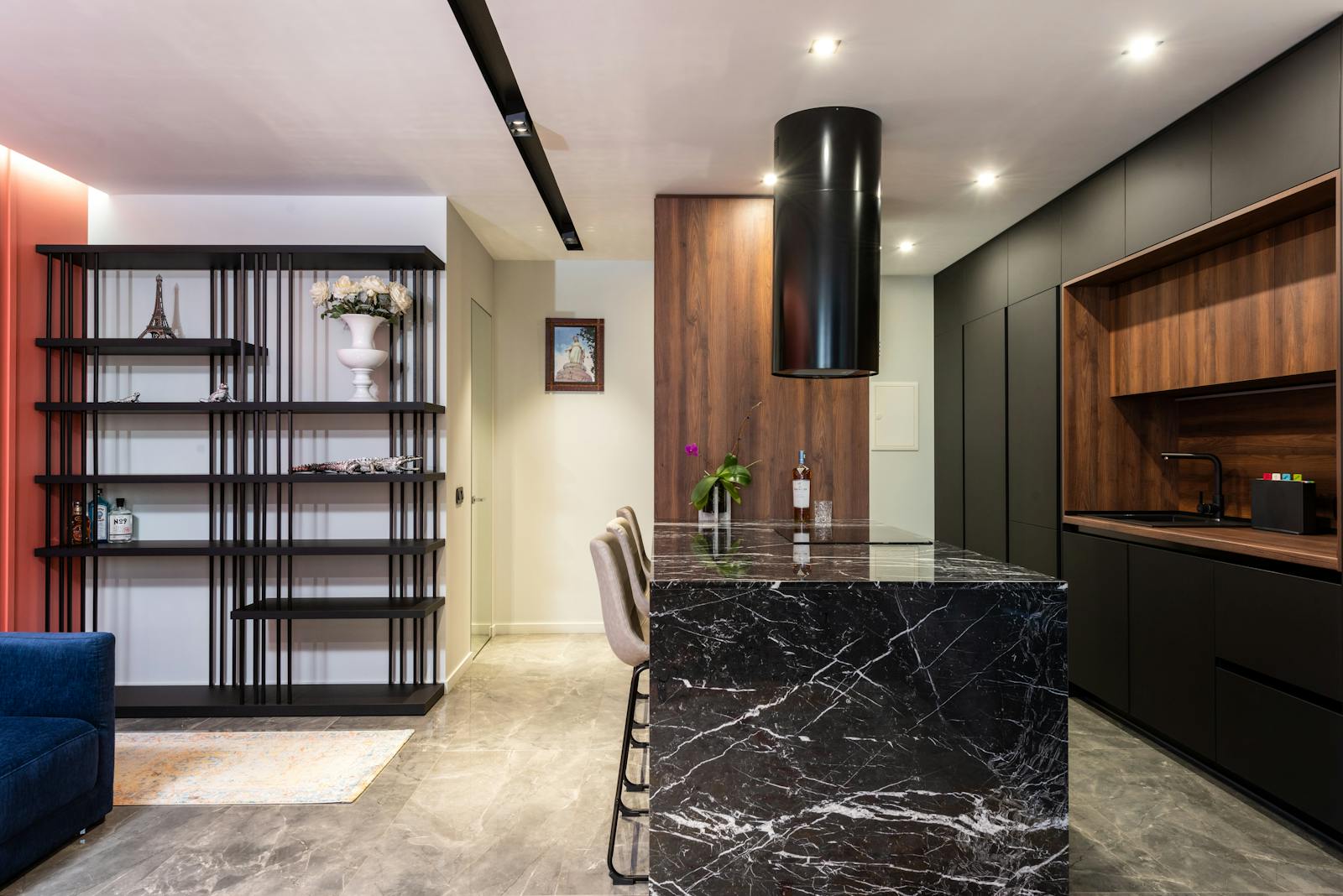
Day-to-day soapstone care is genuinely easy:
- Clean with mild dish soap (yes, Dawn) and warm water. No special stone cleaner needed — it's non-porous, so nothing soaks in.
- No sealing, ever. Skip the granite/marble sealing routine entirely.
- Don't fear acids or heat. Lemon, wine, vinegar, and hot pans are all fine.
- Handle scratches at home. Buff light scratches with a little mineral oil; sand deeper ones with fine sandpaper and re-oil. This DIY repairability is soapstone's superpower.
- Protect edges and corners from hard impacts — that's the one place soapstone is genuinely vulnerable.
- Oil (optional) on whatever schedule gives you the look you want.
That's the whole routine. No annual sealing, no etch anxiety, no special chemicals.
Is soapstone right for your NJ kitchen?
Soapstone is a fantastic fit for serious home cooks (heat-, stain-, and acid-proof, and hygienic since it's non-porous) and for the kinds of homes we see across Monmouth and Ocean County where it looks most at home: farmhouses, historic colonials, shore cottages, and transitional kitchens that want a natural, understated, timeless surface rather than a glossy, uniform one. It pairs beautifully with custom or Shaker-style cabinetry and wood tones.
It's less ideal if you want a perfectly scratch-free surface, a bright-white or colorful counter, or the lowest possible price. In those cases, quartz or granite is the better call — and we install all of them, so we'll give you a straight answer about which suits your kitchen and how you cook.
Soapstone countertops in NJ — how we do it
Soapstone rewards an experienced fabricator: the slabs are softer and need careful cutting and edge work, the seams should be tight and the patina even, and the install has to be dead-level. Those are the details that separate a soapstone counter you'll love for decades from a chipped edge and a blotchy surface.
If you're considering soapstone — or weighing it against granite, quartzite, or quartz — anywhere in Monmouth, Ocean, or Middlesex County, that's exactly the work we've done for 20+ years. We're licensed (NJ HIC #13VH04175700), NARI members, and led by owner Enrique Lopez. Call 732.984.1043 or request a free quote, and we'll help you pick the right stone, edge, and finish for your kitchen and the way you actually use it.
Planning a Complete Kitchen?
See how CKL plans custom cabinetry, premium materials, and $75,000+ kitchen projects.
Ready to start your project?
Related Services
Countertop InstallationCustom Kitchen CabinetsTile InstallationHardwood Flooring
5 Rating(46+ reviews)
Ready to Plan the Complete Kitchen?
Move from product research to a complete design plan. See real CKL kitchens, the decisions that define luxury work, and the $75,000–$150,000+ planning range.
Explore Luxury KitchensCall 732.984.1043
Licensed & Insured20+ Years ExperienceLuxury kitchens from $75,000
Local Services
Kitchen Cabinets FreeholdKitchen Cabinets EdisonKitchen Cabinets ManalapanKitchen Cabinets MarlboroKitchen Remodeling FreeholdBathroom Remodeling Freehold
Popular Service Areas
Holmdel, NJColts Neck, NJRumson, NJMarlboro, NJShrewsbury, NJMiddletown, NJRed Bank, NJFreehold, NJSpring Lake, NJManalapan, NJ
Ready to start your project?
Get a free, no-obligation quote today.
5 (46+ reviews)
Category
Materials Guide# Porcelain Countertops: Pros, Cons, Cost & Vs. Quartz (2026 NJ Guide)# Waterfall Countertops: Cost, Best Materials & Whether It's Worth It (NJ Guide)
More Articles
Ready to Start Your Project?
Request a private design consultation for your substantial kitchen, bath, cabinetry, or whole-home project.